
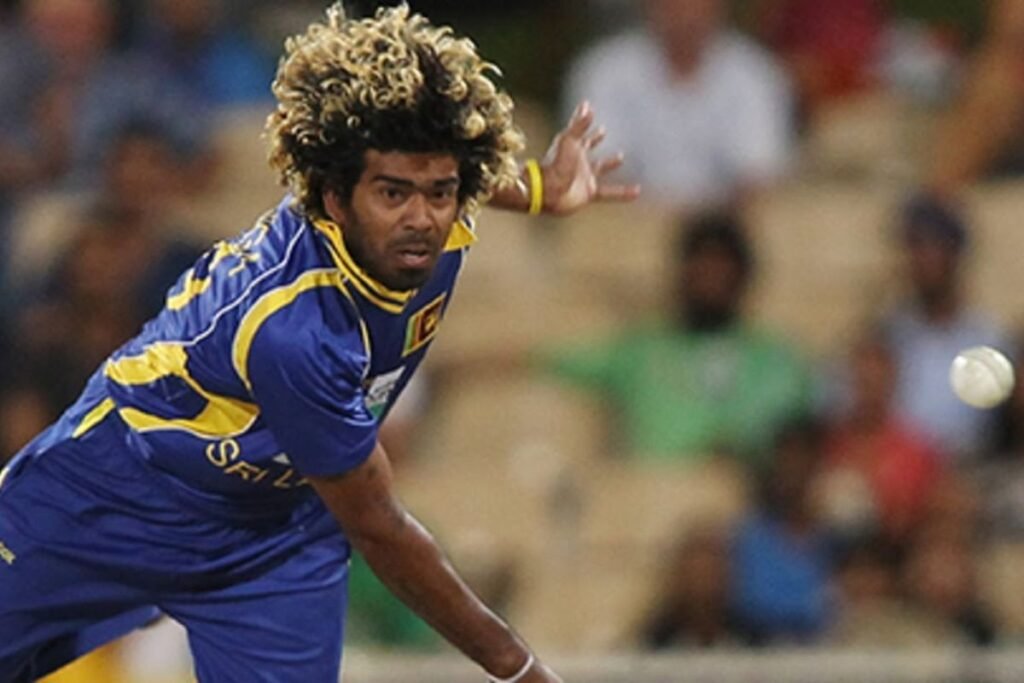
24 Yorkers That Broke India: No boundaries. Four overs. A World Cup final on the line. On April 6, 2014, Lasith Malinga and Nuwan Kulasekara delivered one of the most suffocating death bowling spells in T20 history restricting India to just 19 runs in the final 4 overs and handing Sri Lanka the ICC T20 World Cup 2014 title.
Here is exactly what happened, over by over.
India Were Cruising at 111/2 Then Malinga Changed Everything in 4 Overs
Going into the final 4 overs, India sat at 111/2. Virat Kohli had just smashed 14 runs off a single Kulasekara over a six, a cover drive, a pull shot. A total of 155–160 looked certain.
Then the scorecard froze.
Over by over breakdown:
| Overs | Runs | Note |
|---|---|---|
| 1–6 | 31 | Powerplay — Rahane out early |
| 7–16 | 80 | Kohli builds, hits 14 off over 16 |
| 17–20 | 19 | Malinga & Kulasekara — ZERO boundaries |
Final total: 130/4 in 20 overs. Six wickets still in hand. The batting lineup untouched. And yet India could not score.
The One Ball Dhoni Faced 7 Times And Couldn't Hit Once
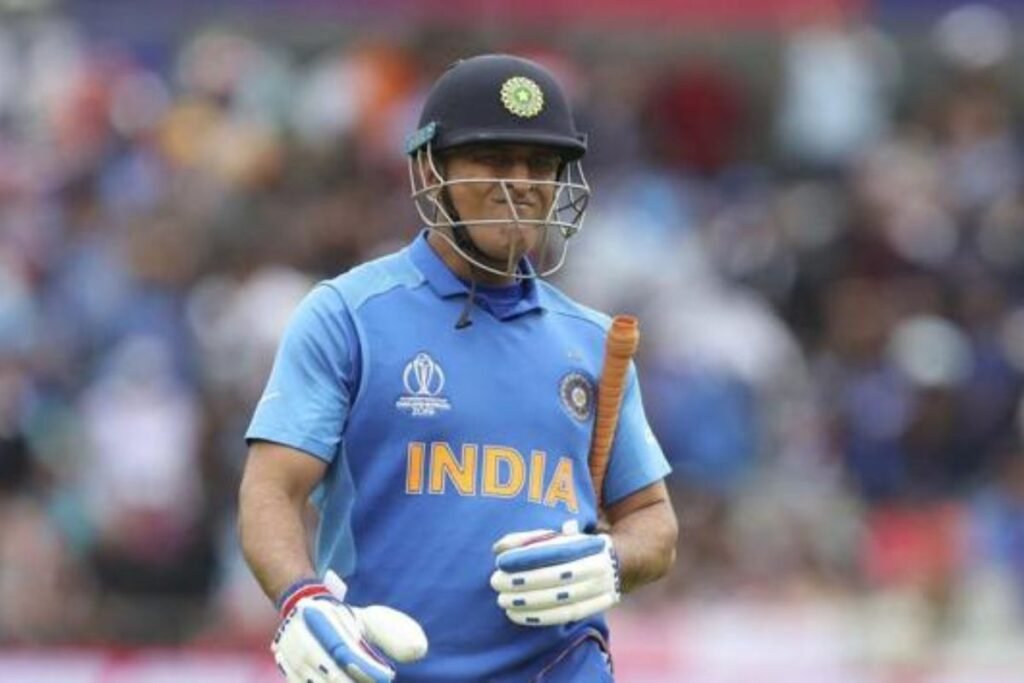
The strategy was as simple as it was brutal: wide yorker, landing just outside off stump on every single delivery not wide enough to be called by the umpire, but far enough to eliminate every attacking option a batter has.
Dhoni tried the helicopter shot repeatedly, yet the ball slid under the bat every time. Meanwhile, Kohli the best batter on the field received just 7 balls across the entire last 4 overs, because Sri Lanka kept him off strike deliberately, isolating India’s most dangerous weapon.
As a result, Sri Lanka conceded zero boundaries in 4 consecutive overs of a World Cup final. To this day, that record has never been matched.
Malinga Took 0 Wickets And Still Won the T20 World Cup 2014 Final
| Bowler | Overs | Runs | Wkts | Economy |
|---|---|---|---|---|
| Lasith Malinga | 4 | 27 | 0 | 6.75 |
| Nuwan Kulasekara | 4 | 29 | 1 | 7.25 |
| Sachithra Senanayake | 4 | 22 | 0 | 5.50 |
| Angelo Mathews | 4 | 25 | 1 | 6.25 |
| Rangana Herath | 4 | 23 | 1 | 5.75 |
Malinga took 0 wickets. His economy looks ordinary. None of that matters because the damage was never about dismissals. It was about making scoring physically impossible for 24 consecutive deliveries.
Sangakkara Called It the Best Death Bowling He Had Ever Seen
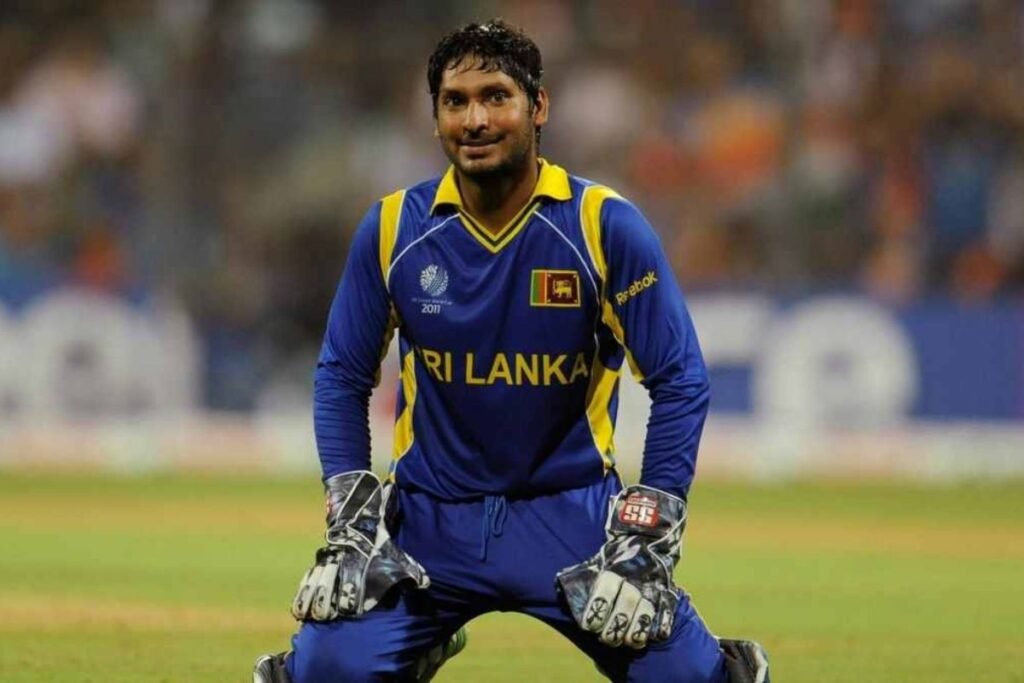
After the match, Kumar Sangakkara described those final overs in words that left no room for debate:
“The best death bowling I have ever seen in my life. I’ve seen Waqar and Wasim bowl in the death, but those overs from Kulasekara and Malinga against two of the biggest hitters in the shorter version I’ve never seen anything like that before or since. 24 yorkers on the spot, ball after ball.”
When a player who has seen everything in cricket says he has never seen anything like it that is the real measure of what happened that night in Dhaka.
Kohli Scored 77. Dhoni Was Not Out. India Lost. Here Is Why.
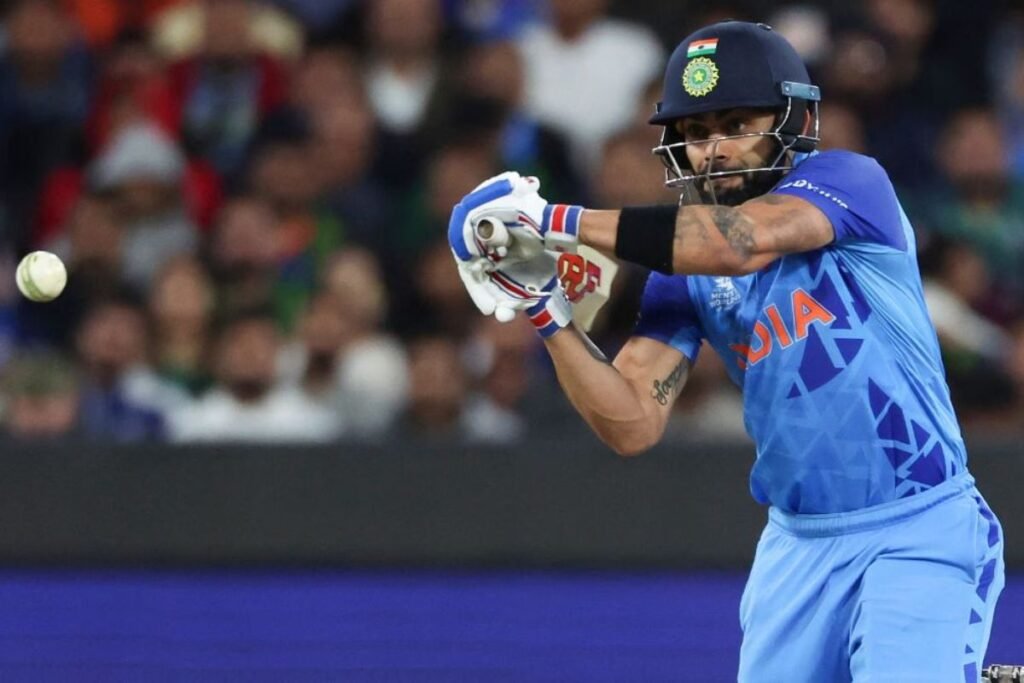
Virat Kohli finished with 77 off 58 balls the highest score of the match and enough to earn him Player of the Tournament for the entire competition. In contrast, MS Dhoni could only manage 4 off 7 balls, not out, never given a real chance to impose himself.
Despite this, India still lost with six wickets standing.
This was not a batting collapse. Instead, it was a controlled suffocation Sri Lanka never needed to bowl India out, because they simply made scoring impossible until time ran out. Consequently, the difference between 130 and 160 had nothing to do with bad shot selection. It came down entirely to 24 yorkers, all landing in the same spot.
Sri Lanka Needed Just 13.1 Overs to Finish a Chase India Thought Was Safe
With 6 wickets to spare and 13 balls remaining, Sri Lanka reached 131 in complete control. Fittingly, it was Sangakkara who finished unbeaten on 52 the last T20 innings of his international career, and arguably the perfect ending to a legendary chapter.
In reality, however, the T20 World Cup 2014 final had already been decided during India’s innings. Everything that followed was, ultimately, just formality.
Why This Spell Still Matters in T20 Cricket Today
To this day, the T20 World Cup 2014 final is studied in bowling academies across the world for one reason: it proved that discipline beats power.
Rather than relying on an unplayable delivery or taking wickets, Malinga and Kulasekara simply landed the ball in the same zone, 24 times in a row, under the highest possible pressure trusting that India would run out of time before finding a solution.
In the end, that trust was fully justified. India never found the answer.