

Shahid Afridi Bio: The Story of Boom Boom Some players follow the game. Others change it forever.
Shahid Afridi, widely known as Boom Boom Afridi, was one of the most explosive and unpredictable cricketers the sport has ever seen, redefining aggressive batting in modern cricket.
What made him dangerous wasn’t just power, but instinct: the ability to attack when others played safe and turn pressure into opportunity within a few deliveries.
From Karachi to the biggest international stadiums, Afridi didn’t just play cricket he changed its rhythm, producing moments that remain etched in the memory of fans worldwide. His legacy is defined less by numbers and more by decisive, game-shaping impact.
Shahid Afridi Early Life in Karachi and Childhood Story
Born on March 3, 1980, in Karachi, Pakistan, Shahid Afridi grew up in a disciplined environment shaped by strong family values. While his father pushed him toward excellence, the streets and local parks became his real training ground.
Facing older and more experienced players, Afridi developed a fearless mindset early learning to take risks and play with instinct rather than caution.
Even as a child, he preferred aggressive shots over defensive techniques, a style that would later define his career. Supported by his family, he balanced ambition with discipline, building the mindset of a player who would thrive under pressure.
The Rise of a Teenage Sensation (Shahid Afridi Bio Story)
Shahid Afridi burst onto the international scene at just 16, making headlines almost instantly with fearless batting and unconventional shot-making.
He didn’t build innings slowly he changed games in a few overs, attacking first and putting bowlers under pressure from ball one.
His explosive power and match turning impact soon earned him the nickname Boom Boom, a name that became synonymous with chaos for bowlers and excitement for fans.
How Shahid Afridi Got the Nickname Boom Boom
The nickname Boom Boom wasn’t created by marketing or fans alone it came from a moment on the field.
Afridi has recalled that he first realized he had been given the nickname during a major match in Ahmedabad, India, after smashing a century in just 42–43 balls. During the post match presentation, commentator Ravi Shastri reportedly called him Boom Boom, a phrase that instantly captured his explosive batting style.
The name stuck because it fit perfectly. Afridi didn’t build innings slowly he attacked, shifted momentum, and could change a match in a few deliveries. Boom Boom became more than a nickname; it became a cricket identity recognized around the world.
Shahid Afridi Career Highlights and ODI Records
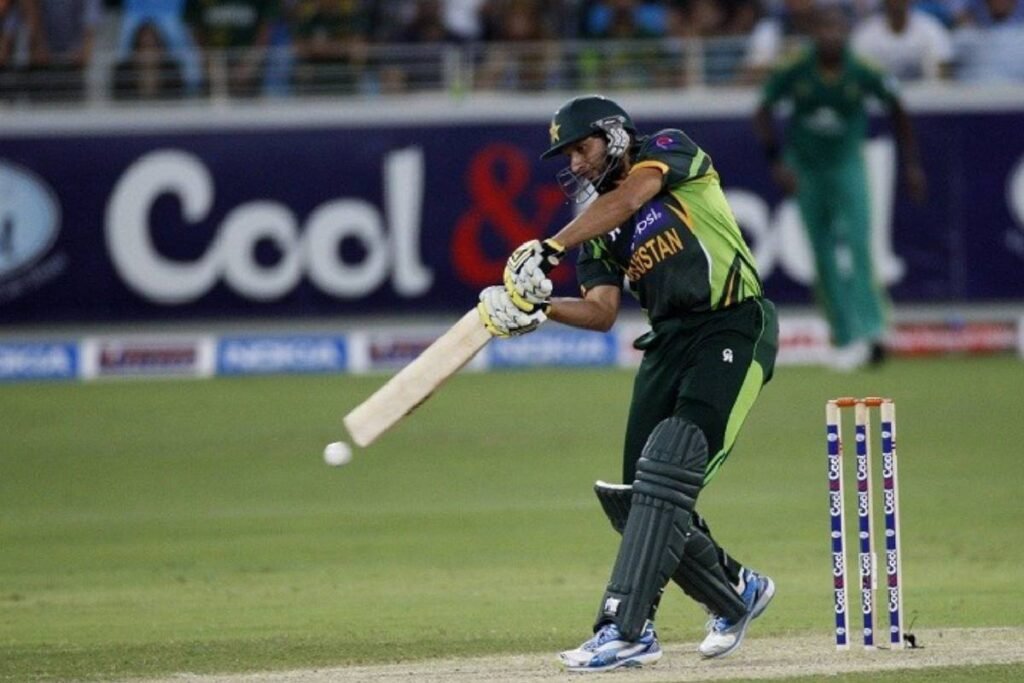
What made Shahid Afridi dangerous wasn’t consistency it was impact. His fearless approach helped redefine modern cricket, where aggression could change a game in minutes.
With over 8,000 ODI runs and a strike rate above 117, Afridi wasn’t a traditional run accumulator but a momentum-shifter capable of turning matches within a few overs.
Beyond batting, he claimed nearly 400 ODI wickets, making him one of cricket’s rare true match-winning all-rounders.
His iconic 37-ball century against Sri Lanka in 1996 became a turning point in ODI history, helping shape the aggressive batting era that followed.
With 351 ODI sixes, Afridi consistently changed the pressure dynamics of every match he played. One over was often enough to alter the direction of a game. Shahid Afridi ODI Career and Record-Breaking Highlights
Why Afridi Thrived When Others Failed
Shahid Afridi was at his most dangerous under pressure. In World Cups, Asia Cups, and knockout matches, he often changed momentum in a single over.
He didn’t just contribute he disrupted, whether with a burst of sixes or a breakthrough wicket that broke partnerships and flipped games.
More than an all-rounder, Afridi was a momentum breaker, using timing, instinct, and pressure as weapons.
Philanthropy and Personal Values

Shahid Afridi’s impact extends beyond cricket through the Shahid Afridi Foundation, which supports healthcare, education, and disaster relief across Pakistan.
Beyond charity, he has invested in youth development through education, fitness, and mentorship, helping create opportunities for the next generation.
For Afridi, legacy is measured not only in runs and wickets, but in the lives he has changed off the field.
The Values That Kept Afridi Grounded Under Pressure
Despite global fame, Shahid Afridi has remained grounded through family values, faith, and discipline, often crediting his family for keeping him focused under pressure.
He has long emphasized that success was never a solo journey, recognizing the role of parents, mentors, teammates, and friends in shaping his career.
Shahid Afridi Playing Style and Aggressive Batting Approach
Shahid Afridi played on his own terms, built on risk, aggression, and instant impact. When the moment demanded, he attacked and could change a game in a few deliveries.
As a bowler, he broke partnerships at crucial moments, while his unpredictability made him difficult for opponents to read.
His game was never just about skill it was about pressure, chaos, and forcing mistakes.
Shahid Afridi Biggest Six That Changed the Game in Seconds
Even today, Afridi’s attacking mindset shapes modern T20 cricket, where instant impact and fearless intent often define the game.
Legacy and Cultural Impact
Shahid Afridi’s career is defined by impact rather than numbers. His fearless, high risk style redefined aggressive cricket in both ODI and T20 formats, inspiring millions of fans.
Beyond the field, his roles in coaching, commentary, and philanthropy established him as a global ambassador of the game.
Few players in cricket history have produced as many unforgettable, game changing moments.
FAQs: YOU KNOW
How did Afridi start his cricket career?
He made his ODI debut at the age of 16, quickly gaining attention for his aggressive batting style.
What is Afridi’s most famous innings?
His 37 ball century against Sri Lanka in 1996 is considered one of the most iconic innings in ODI history.
How many wickets did Afridi take in his ODI career?
Nearly 400 wickets with a remarkable economy rate and match-winning spells.
What is the Shahid Afridi Foundation?
A charitable organization focused on healthcare, education, and disaster relief in Pakistan.
How does Afridi contribute to cricket off the field?
Through youth academies, coaching, mentoring, and advocacy for fitness and sports education.
What makes Afridi’s cricket style unique?
His combination of aggressive batting, strategic bowling, and psychological impact on opponents.
Is Afridi still involved in cricket?
Yes, through mentorship, commentary, and the foundation, though he has retired from international cricket.
What impact did Afridi have on T20 cricket?
He set the blueprint for aggressive, multi-dimensional players and influenced modern T20 strategies.
Why is Afridi considered a global icon?
Due to his extraordinary performances, philanthropic work, and lasting influence on cricket culture.