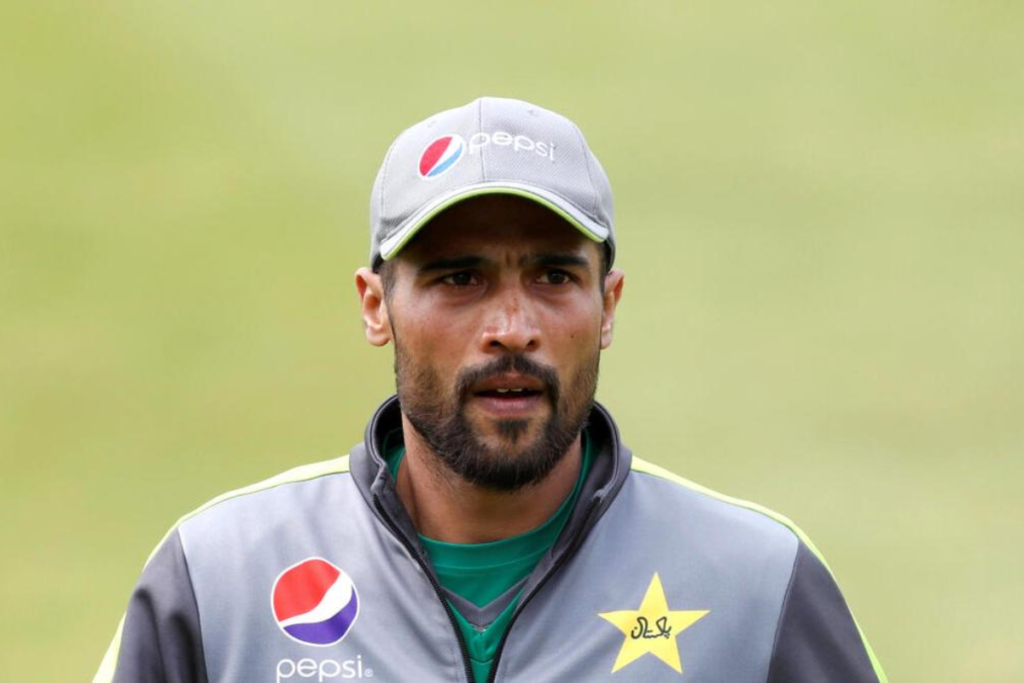
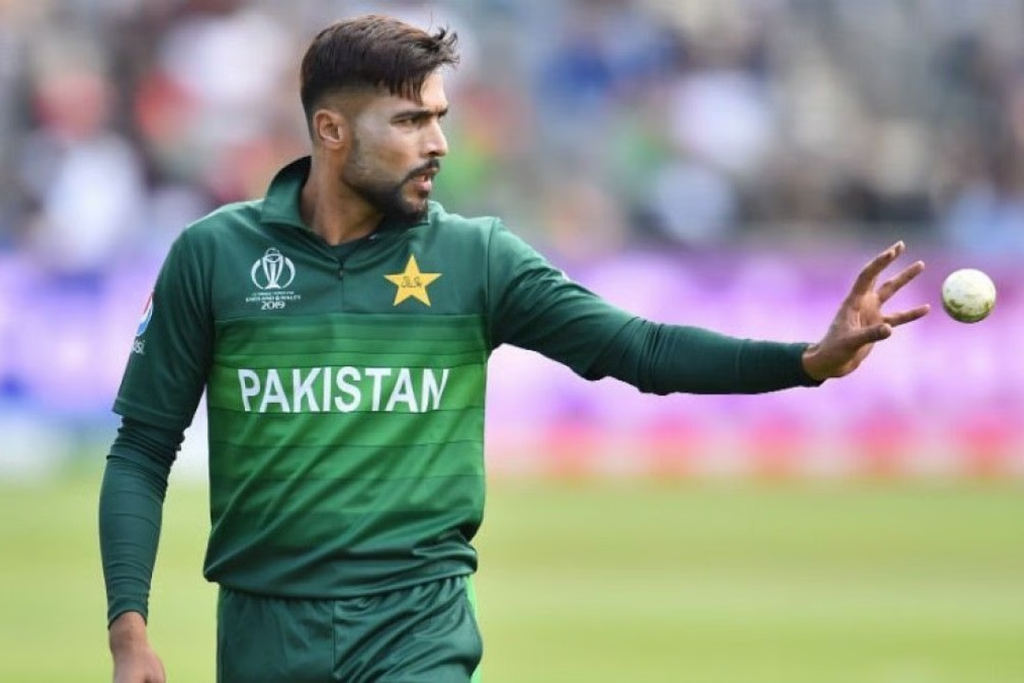
Mohammad Amir is one of the most talented fast bowlers Pakistan has ever produced. Known for his deadly swing, pace, and match-winning spells, Amir’s career has been a mix of extraordinary success, controversy, and a remarkable comeback. From becoming a teenage sensation to facing a ban and then returning to international cricket, his journey is both inspiring and dramatic.
Early Life and Background
Mohammad Amir was born on April 13, 1992, in Gujjar Khan, Punjab, Pakistan. From a young age, he showed a passion for cricket and impressed local coaches with his natural bowling talent. His ability to swing the ball at pace caught attention early, and he soon joined domestic cricket circuits.
Amir’s breakthrough came when he was selected for Pakistan’s Under-19 team. His performances at the junior level made it clear that he was destined for international cricket.
International Debut and Rise to Fame
Amir made his international debut in 2009 at just 17 years old. Under the captaincy of Younis Khan, he quickly became a key member of Pakistan’s bowling attack.
One of his biggest early achievements came during the ICC T20 World Cup 2009, where Pakistan won the title. Amir played a crucial role, especially in the final against Sri Lanka, where his opening spell helped secure victory.
His performances in Test cricket were equally impressive. During Pakistan’s tour of England in 2010, Amir delivered exceptional spells, including a memorable performance at Lord’s, often referred to as the Home of Cricket.
The Spot-Fixing Controversy
Despite his rapid rise, Amir’s career took a shocking turn in 2010. He was involved in a spot-fixing scandal during the England tour. Along with players like Salman Butt and Mohammad Asif, Amir was found guilty of deliberately bowling no-balls as part of a betting scheme.
As a result, he faced a five-year ban from cricket and also served a short jail sentence. This incident was a major setback, not just for Amir but for Pakistan cricket as a whole.
Life During the Ban
During his ban, Amir stayed away from professional cricket but remained determined to make a comeback. He expressed regret for his actions and worked hard to rebuild his image.
This period was extremely challenging for him, as he went from being a rising star to being out of the game entirely. However, his passion for cricket never faded.
Comeback to International Cricket
After completing his ban, Amir made a comeback in 2016. His return was closely watched by fans and critics alike. Despite initial skepticism, he proved his worth with strong performances.
One of the most iconic moments of his comeback came in the ICC Champions Trophy 2017 final against India. Amir produced a sensational spell, dismissing top players including Rohit Sharma and Virat Kohli, helping Pakistan win the title.
This performance re-established him as a world-class fast bowler.
Playing Style and Strengths
Mohammad Amir is known for his ability to swing the ball both ways, especially with the new ball. His left-arm pace gives him an advantage, creating difficult angles for batsmen.
He has often been compared to legendary bowlers due to his natural talent and skill. Amir’s calm temperament and ability to perform under pressure make him a valuable player in big matches.
Later Career and Retirement
In 2019, Amir announced his retirement from Test cricket to focus on limited-overs formats. His decision was aimed at managing workload and extending his career.
Later, in 2020, he announced a break from international cricket, citing issues with team management. However, over time, discussions about his return continued, keeping fans hopeful.
Amir continued to play in various T20 leagues around the world, showcasing his skills and experience in franchise cricket.
Legacy and Impact
Despite controversies, Mohammad Amir remains one of the most naturally gifted Fast Bowlers Pakistan has produced. His journey serves as a lesson about the consequences of mistakes and the power of redemption.
Young cricketers often look up to his bowling style and ability to make a comeback after setbacks. His story highlights that talent alone is not enough—discipline and integrity are equally important.