
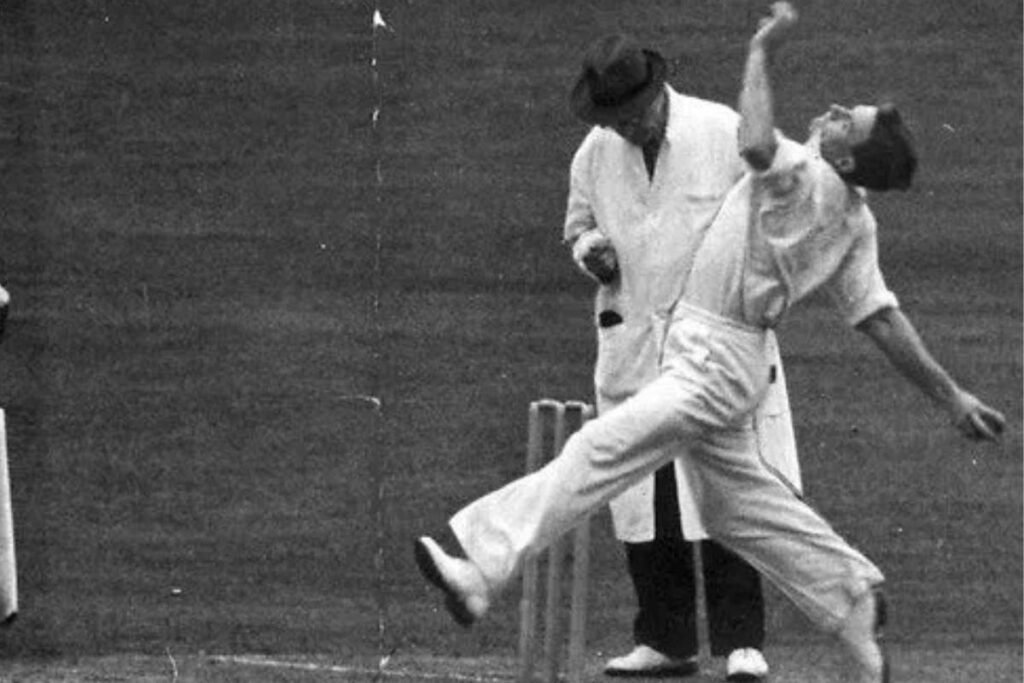
How do fast bowlers generate swing is a key question in cricket. Swing depends not only on pace or seam position, but also on how the ball interacts with air pressure, surface roughness, and match conditions. As a result, even small adjustments in wrist position, release angle, or seam alignment can completely change the movement of the ball before it reaches the batter.
Fast bowling records are often discussed, and one of the key benchmarks is Who Bowled the Fastest Ball in Cricket?
What Is Swing in Cricket?
Swing in cricket is the sideways movement of the ball through the air caused by differences in air pressure on either side of the ball. This makes the delivery deviate from a straight line. As a result, batters must constantly adjust their judgment of line and length.
How Conventional Swing Works
Conventional swing happens when the ball is still new and one side remains shiny while the other gradually becomes rough. In these conditions, bowlers use seam position and wrist alignment to create airflow imbalance. As a result, the ball moves either into or away from the batter depending on the release angle.
How Seam Position Controls Swing
Seam position acts as the control mechanism for swing because a stable upright seam helps guide airflow consistently. Even minor instability or wobble can disrupt movement entirely. This is why elite fast bowlers spend years refining wrist control and release precision.
How Reverse Swing Works
Reverse swing occurs when the ball becomes older and rougher, and when bowlers generate higher speeds, the airflow pattern changes so that the ball begins to move in the opposite direction of conventional swing, creating one of the most dangerous weapons in fast bowling, especially in the final stages of an innings, as explained in our guide on Who Benefits Most From a New Ball in Cricket.
What Is Contrast Swing?
Contrast swing appears when one side of the ball is significantly rougher than the other. In this situation, swing direction depends on bowling speed. The ball may swing one way at lower speeds and completely reverse at higher speeds.
How Do Fast Bowlers Generate Swing in Different Conditions?
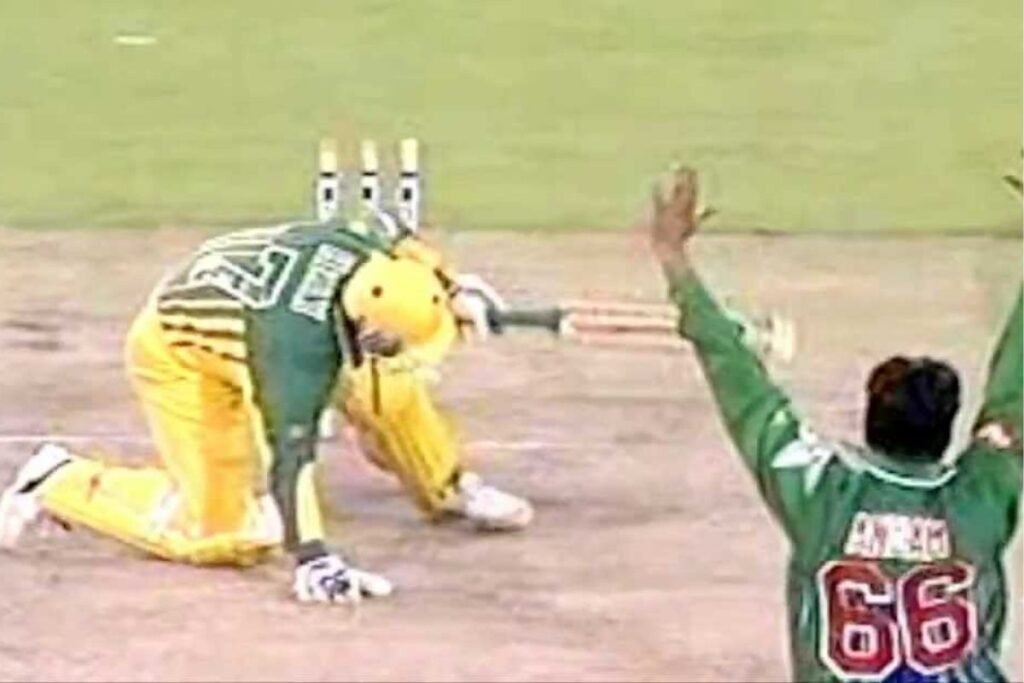
Swing is heavily influenced by external factors such as humidity, cloud cover, pitch dryness, and ball condition, because all of these elements affect how air flows around the ball and determine whether swing will increase, decrease, or disappear completely.
How Fast Bowlers Generate Swing in Matches
Fast bowlers use swing differently depending on the phase of the game, with conventional swing being most effective in the powerplay when the ball is new, while reverse swing becomes more important in the later overs when the ball has aged and conditions become more challenging for batters, as explained in our guide on Who Is Dangerous With the New Ball in Cricket.
How Bowlers Master Yorkers
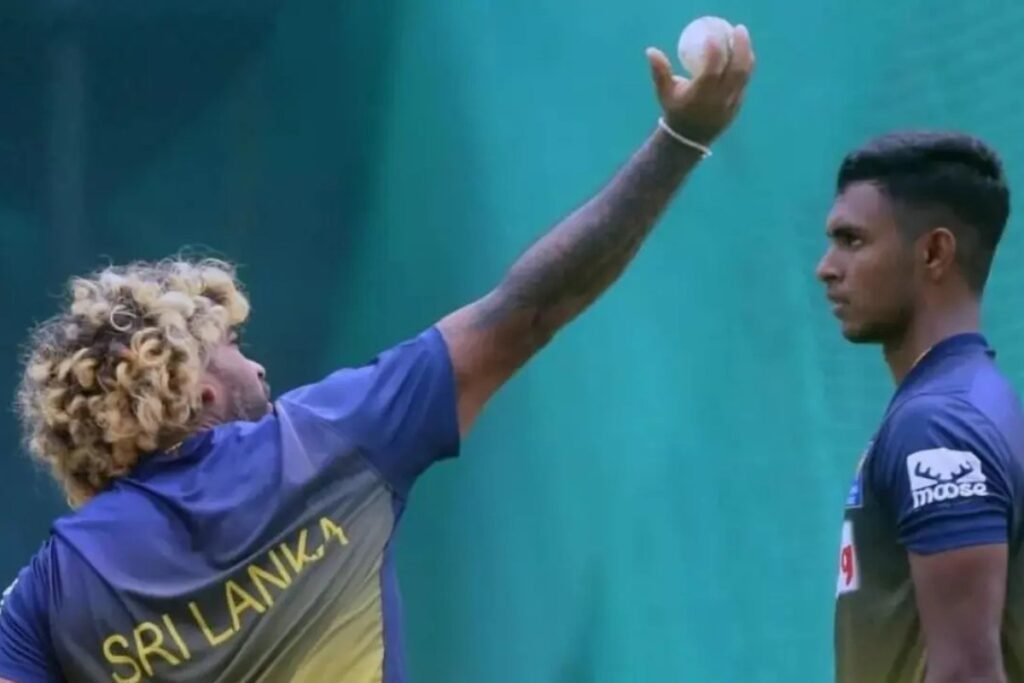
Yorkers are one of the most important skills in fast bowling, especially in death overs. Bowlers aim to land the ball at the base of the stumps using precise release timing, accurate targeting, and consistent repetition under pressure. They also adapt variations such as wide yorkers and slower yorkers depending on the match situation.
Why Some Bowlers Swing More Than Others
Swing ability varies between bowlers due to differences in wrist stability, seam control, release consistency, and natural biomechanics. As a result, even at the same speed, two bowlers can produce completely different levels of movement.
Famous Swing Bowlers in Cricket
Some bowlers have mastered swing across different eras. James Anderson is known for his control of late movement. Wasim Akram mastered swing in both directions at high pace. Mitchell Starc combines extreme speed with effective movement. Shoaib Akhtar used raw pace to enhance the impact of early swing.
Final Thoughts on How Fast Bowlers Generate Swing
Swing bowling represents the perfect intersection of physics, skill, and match awareness. The greatest fast bowlers understand how to control the seam and manipulate airflow while adapting to conditions in real time. As a result, swing becomes not just a skill, but a weapon that can decide the outcome of a match within a few deliveries.
FAQs: YOU KNOW
How do fast bowlers generate swing?
Fast bowlers generate swing by controlling seam position, wrist alignment, and release angle while using differences in air pressure on each side of the ball.
What is reverse swing in cricket?
Reverse swing happens when an older ball moves in the opposite direction of conventional swing, mainly at higher bowling speeds and with one rough and one shiny side.
Why does the new ball swing more?
The new ball swings more because one side is shiny and smooth while the other starts to roughen, creating airflow imbalance that helps movement through the air.
How important is seam position in swing bowling?
Seam position is critical because even a small change in angle can completely alter the direction and amount of swing a fast bowler generates.
Can all fast bowlers swing the ball?
No, not all fast bowlers can swing the ball effectively, because it requires control, wrist stability, and consistent release mechanics rather than just pace.