
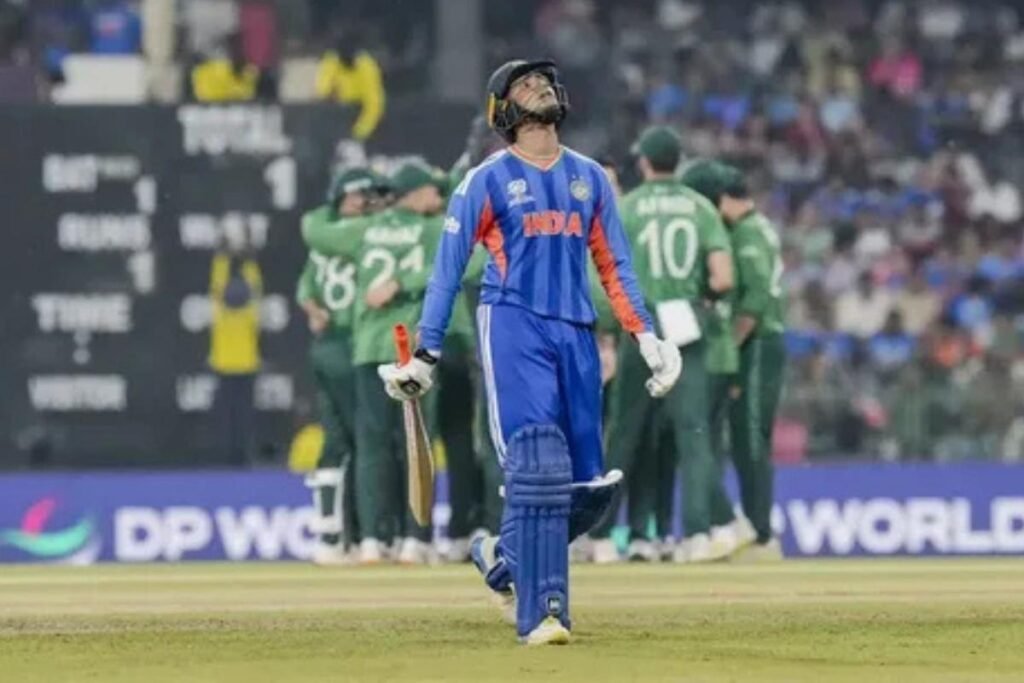
Abhishek Sharma inconsistent batter or the perfect product of modern T20 chaos? This question becomes far more complex when you realise that 18 ball fifties don’t happen by accident, and neither do records like five T20 half centuries under 20 balls, yet the same player who keeps reshaping IPL powerplay batting is still often labelled as “inconsistent”, as if one word can explain a role built entirely on extreme risk from ball one.
But that label starts to fall apart the moment you actually look at how modern T20 cricket works.
Why he only looks inconsistent if you misread the role
The perception of inconsistency comes from an old way of reading batting, where value is still tied to time spent at the crease and the ability to construct an innings. In that lens, stability matters more than impact, and accumulation defines quality.
But Abhishek Sharma doesn’t operate in that framework.
In the modern IPL, especially in a season where every result reshapes the IPL standings and the fight in the IPL points table, his role is not to build it is to break games open inside the powerplay before the opposition can settle.
When it works, it doesn’t look like traditional batting at all. It looks like a phase of controlled destruction that shifts momentum in a matter of overs. When it doesn’t, the early dismissal becomes the headline, not the intent behind it.
Do Abhishek Sharma’s stats really prove he is inconsistent? The numbers say otherwise
If you strip away perception and focus on output, the picture changes completely.
A T20I strike rate close to 190, an IPL strike rate around 170, plus multiple T20 centuries and a long list of rapid fifties, including some of the fastest in IPL history, don’t reflect inconsistency in skill.
They reflect a batter operating at the edge of scoring probability, where every ball is a choice between dominance and dismissal.
In a format where even small swings can shift the IPL table, players like Abhishek Sharma are not judged on stability alone, but on the damage they can create in short bursts.
The paradox modern T20 creates
The problem is that consistency in traditional cricket still means control, time, and accumulation.
But Abhishek’s role is the opposite. He is asked to accelerate immediately, to force field changes early, and to take the game away before bowlers find rhythm.
So the paradox is simple: the better he executes his role, the more uneven his scorecard looks.
What appears as inconsistency is often just high risk execution repeated over and over again in the same role.
It’s not just Abhishek Sharma — it’s how modern T20 cricket is designed
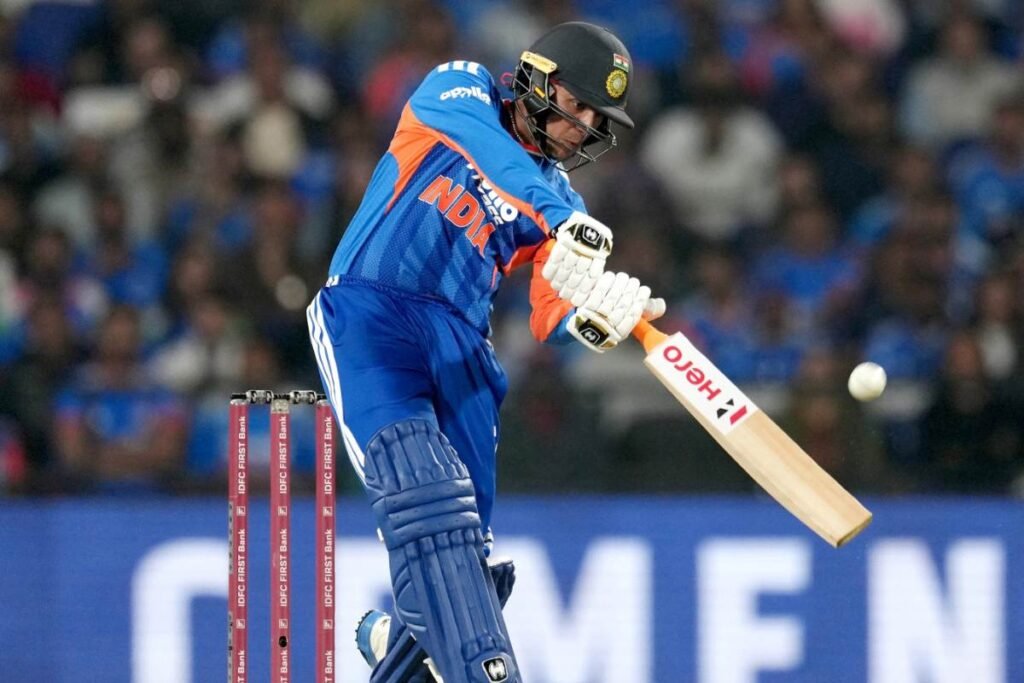
Modern T20 cricket has shifted the identity of openers entirely. They are no longer expected to build foundations but to create disruption from ball one.
In that system, Abhishek Sharma is not an exception. He is a prototype.
A batter who either:
- changes the game in 15–25 balls
- or gets out trying to do exactly that
There is almost no neutral version of his innings, and that absence of “middle ground” is what gets interpreted as inconsistency.
Even the broader conversation around emerging talents, including names like Vaibhav Suryavanshi in discussions about future IPL impact and the evolving IPL table dynamics, reflects how the format is now rewarding pure aggression over stability.
The mental layer people misread
There is also a psychological aspect that often gets misread as inconsistency.
Players like Abhishek operate heavily on rhythm, timing, and early confidence. On some days everything clicks instantly; on others, the same intent leads to early dismissal.
But that is not mood instability it is the nature of ultra aggressive batting, where the margin between dominance and failure is extremely small.
So is Abhishek Sharma actually inconsistent or just misunderstood?
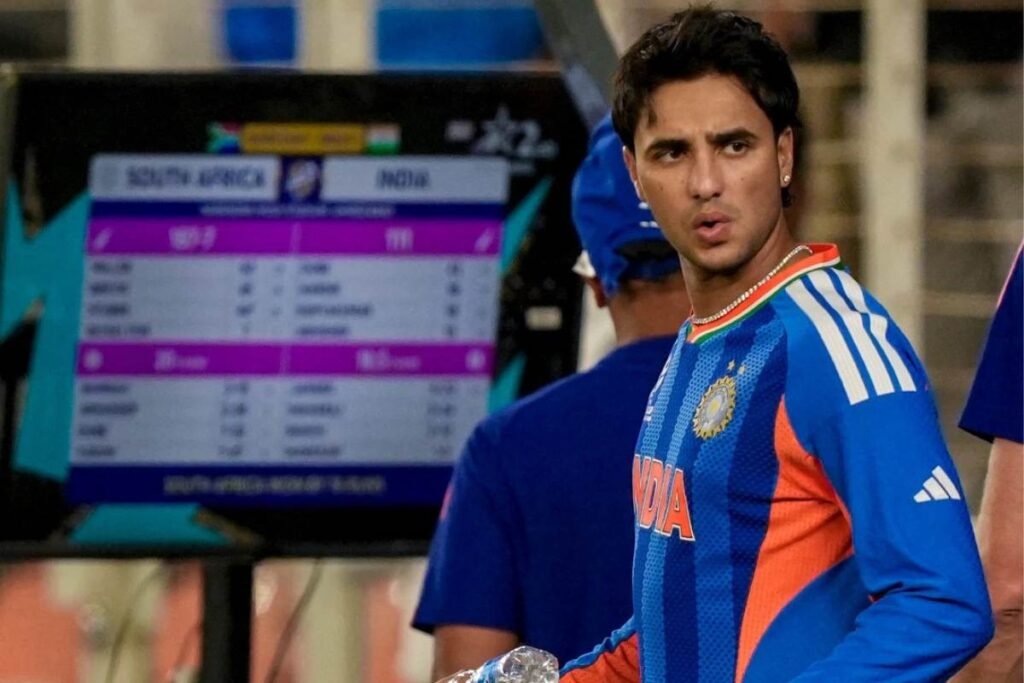
If consistency is defined by traditional standards survival, accumulation, and long innings then yes, he will always look inconsistent.
But if it is redefined as repeated high impact intent within a fixed attacking role, the label starts to lose meaning.
What looks like inconsistency from the outside is actually a predictable outcome of a system that rewards maximum risk at the top of the order.
Final thought Abhishek Sharma an inconsistent batter or the perfect product of modern T20 chaos?
The real question was never whether Abhishek Sharma is inconsistent.
It is whether modern T20 cricket, and the way we read the IPL standings and IPL points table, still has the right language to evaluate players whose job is no longer to stay consistent but to change the game in a matter of overs.
FAQs: YOU KNOW
Is Abhishek Sharma really an inconsistent batter?
No, he is better described as a high variance batter, whose role prioritises impact over stability.
Why does Abhishek Sharma get out early so often?
Because his game is built on extreme aggression from ball one, especially in the powerplay.
What is Abhishek Sharma’s T20 strike rate?
Around 190 in T20Is and 170 in the IPL, reflecting his ultra aggressive approach.
Why is he linked to “modern T20 chaos”?
Because his style reflects modern T20 batting, where short explosive innings matter more than long stays.
Is his inconsistency a weakness?
Not really. It is a trade off for playing a high risk, high impact role.