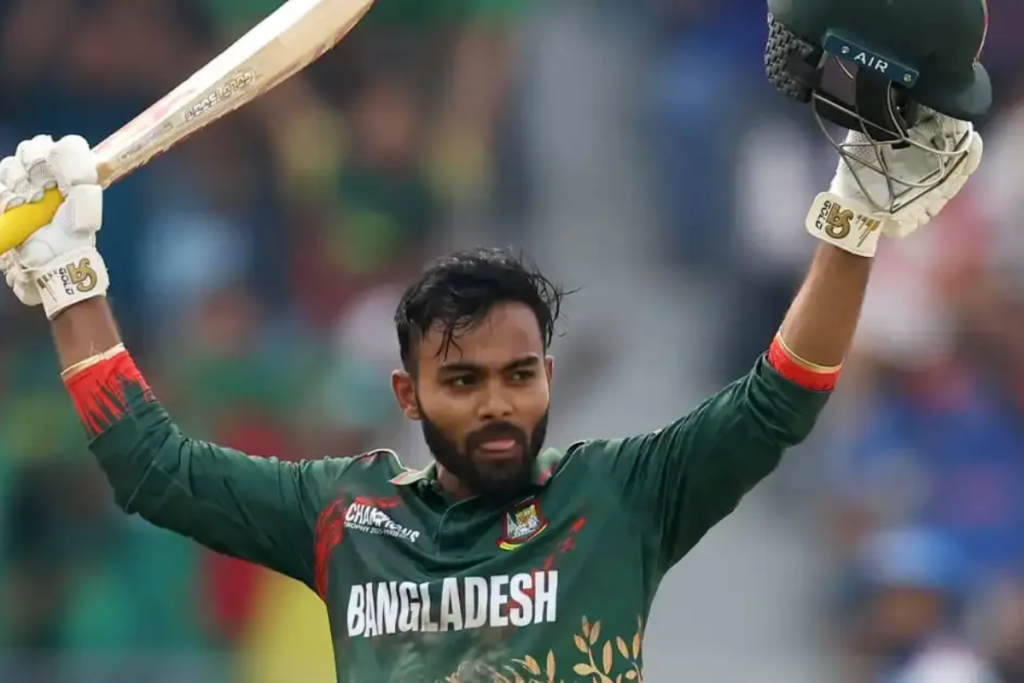
Bangladesh’s rising star Towhid Hridoy has opened up about one of the toughest phases of his young career — his return from a painful tennis elbow injury. While physical injuries are common in cricket, Hridoy’s experience highlights how the real challenge often lies in mental resilience.
The batter admitted that stepping away from regular training and adapting to a restricted routine was mentally exhausting. For a player known for intense practice sessions, suddenly being told to reduce workload created self-doubt and anxiety about performance levels. This mental hurdle became just as significant as the injury itself, shaping his comeback journey.
Understanding the Injury: How It Started and Why It Worsened
Hridoy’s injury didn’t appear overnight. It began as a minor issue during the Bangladesh Cricket League but gradually worsened due to repetitive batting movements — a common cause of tennis elbow in cricketers.
The situation escalated during a series against Pakistan when a yorker struck the bottom of his bat, sending shock through his elbow and intensifying the pain. At one point, the discomfort became so severe that even holding the bat was difficult.
Medical experts explained that such injuries often take months — even up to a year — to fully heal, and complete recovery without lingering pain is rare. This meant Hridoy had to accept playing through discomfort, a reality many professional athletes face.
Adapting to a New Routine: The Hidden Struggles
One of the biggest adjustments for Hridoy was changing his training habits. Known for long hours in the nets, he was forced to limit repetitive movements — the very foundation of his preparation.
This shift wasn’t easy. Coaches revealed that Hridoy struggled with the idea of reduced practice, fearing it would impact his confidence and rhythm. The psychological aspect of not batting regularly created a sense of unpreparedness, even when physically fit enough to play.
To manage this, the Bangladesh Cricket Board introduced a controlled training plan, focusing on selective drills while avoiding strain on the elbow. Advanced treatment and workload management became central to his recovery strategy.
Playing Through Pain: A Reality for Modern Cricketers
Hridoy’s comeback sheds light on a broader truth in modern cricket — players often return before complete recovery. Medical staff made it clear that waiting for a fully pain-free condition could keep him out for nearly a year, which is impractical in competitive cricket.
Instead, Hridoy was advised to adapt and play with manageable discomfort. This required not just physical endurance but also mental acceptance. Learning to trust his body again, despite the pain, became a key milestone in his return.
Performance After Return: Signs of Confidence and Growth
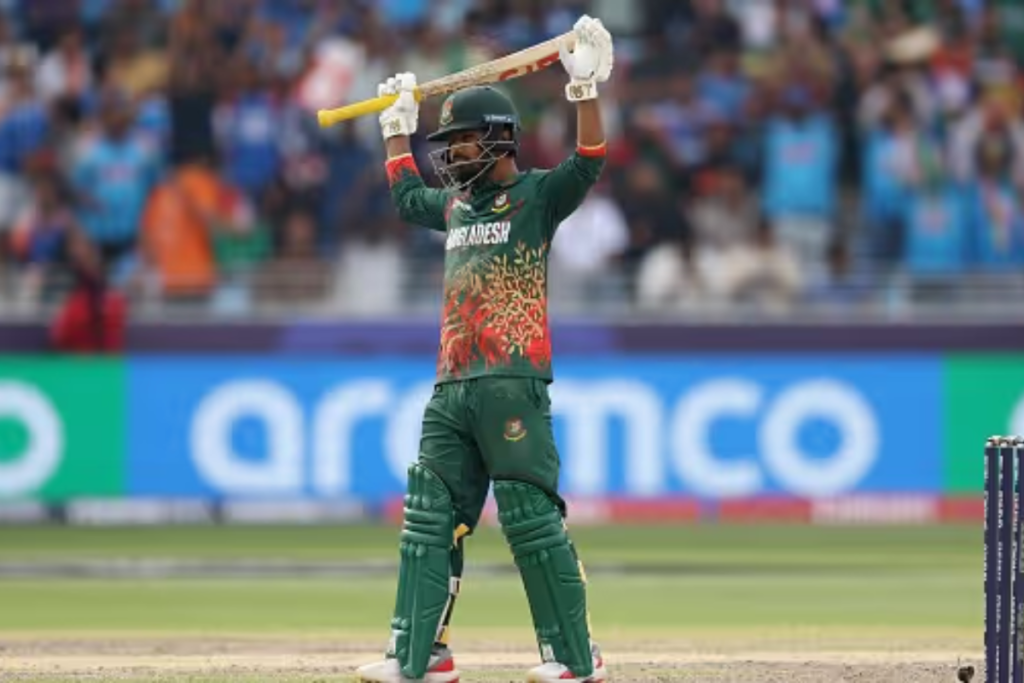
Despite the challenges, Hridoy’s return has shown promising signs. In a recent match against New Zealand, he played a crucial unbeaten knock, guiding Bangladesh to a successful chase and proving his value under pressure.
His aggressive approach in that game highlighted a renewed confidence. Rather than playing cautiously due to injury concerns, Hridoy embraced responsibility, showing that his mindset had evolved through adversity.
Career Context: Why This Comeback Matters
Hridoy’s journey is significant when viewed against his career trajectory. A product of Bangladesh’s U-19 system, he quickly rose through the ranks with standout performances in domestic leagues and international tournaments.
From scoring crucial runs in the Asia Cup to registering a century against India in a major tournament, Hridoy has already demonstrated his potential. However, injuries and occasional inconsistencies have posed challenges.
This comeback, therefore, is more than just a return to the field — it represents a crucial phase in shaping his long-term career, both mentally and physically.
Lessons from Hridoy’s Comeback for Young Athletes
Hridoy’s experience offers valuable lessons for aspiring cricketers and athletes:
- Injuries are not just physical setbacks but mental challenges.
- Smart workload management is essential for longevity.
- Adapting to change is crucial for growth.
- Confidence can be rebuilt through performance and patience.
His journey emphasizes that setbacks are part of the process, and resilience often defines success more than talent alone.
Looking Ahead: What’s Next for Towhid Hridoy?
As Bangladesh prepares for upcoming international assignments, the team management remains optimistic about Hridoy’s availability and impact. While he may continue to play with some discomfort, his ability to adapt and perform under pressure makes him a key asset for the side.
The focus now will be on maintaining fitness, managing workload, and building consistency. If Hridoy can balance these aspects, his comeback could mark the beginning of a stronger and more mature phase in his career.