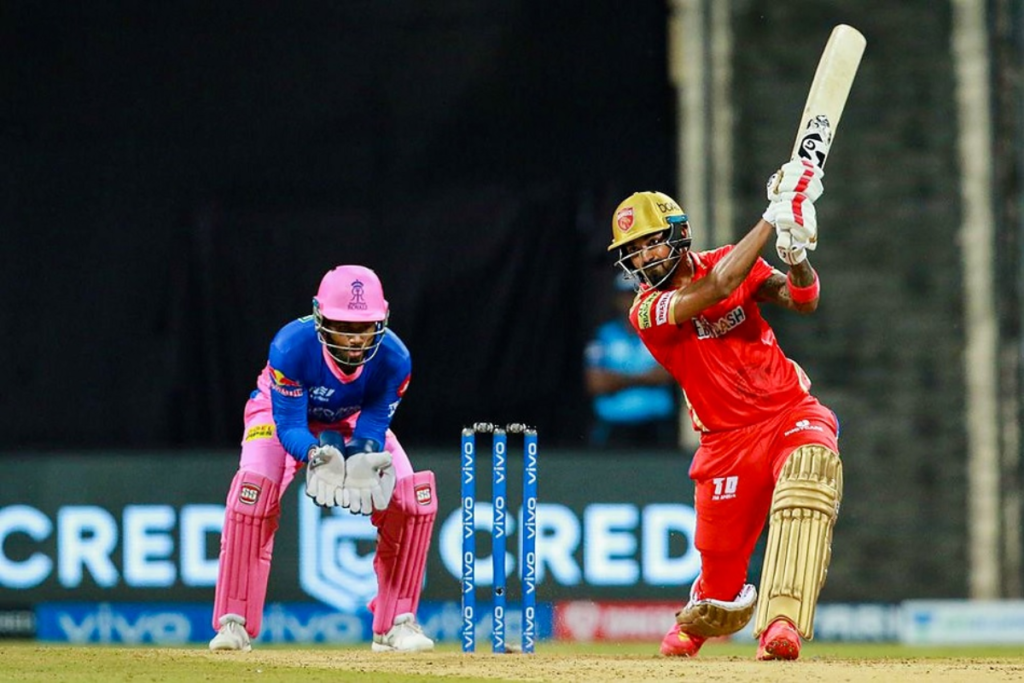
The Rajasthan Royals (RR) franchise, one of the most iconic teams in the Indian Premier League (IPL), has recently found itself at the center of a high-stakes ownership deal valued at over $1.6 billion. While the valuation highlights the explosive growth of IPL as a global sporting asset, the deal itself is far from straightforward. Instead, it has triggered a wave of regulatory concerns, funding issues, and legal complications that could reshape the timeline—and possibly the outcome—of the transaction.
This blog takes a deeper look at the emerging legal challenges, structural complexities, and what lies ahead for RR’s future ownership.
The Billion-Dollar Rajasthan Royals Deal: A Game-Changing Move with Growing Complications
The proposed deal initially involved a consortium led by entrepreneur Kal Somani, backed by global investors such as Rob Walton and the Hamp family. The agreement, reportedly valued at around $1.63 billion, aimed to transfer majority ownership of Rajasthan Royals.
However, the deal has faced significant delays. One of the primary reasons is the inability of the investor group to secure firm financial commitments. Despite strong interest from global investors, converting that interest into actual funding has proven difficult.
This funding gap has not only slowed negotiations but also opened the door for alternative bidders, including a consortium led by the Mittal family and Adar Poonawalla, which has now emerged as a strong contender for ownership.
Regulatory Scrutiny and BCCI Oversight Adding Layers of Complexity to the Deal
Any ownership change in an IPL franchise must pass through multiple regulatory checkpoints. The Board of Control for Cricket in India (BCCI), the IPL Governing Council, and even India’s Competition Commission play critical roles in approving such deals.
In RR’s case, regulatory scrutiny has intensified due to concerns around:
- Historical ownership structures
- Past secondary transactions involving offshore entities
- Compliance with IPL ownership rules
Reports suggest that the BCCI has flagged certain issues during the due diligence process, particularly related to Mauritius-based holding structures linked to the franchise.
This level of scrutiny is not unusual for billion-dollar sports deals, but it does increase the risk of delays—or in extreme cases, rejection.
Legal Disputes and Courtroom Battles: The Raj Kundra Case Explained
One of the most significant legal hurdles comes from a dispute involving former minority investor Raj Kundra. Through his investment firm, Kundra has approached legal authorities alleging oppression and mismanagement while seeking reinstatement of his stake in the franchise.
This case has added a layer of uncertainty to the deal, as it involves:
- Proceedings in India’s National Company Law Tribunal (NCLT)
- A UK court-issued anti-suit injunction
- Ongoing challenges in the Bombay High Court
The overlapping jurisdictions and ongoing litigation create a complex legal environment. Until these disputes are resolved, they could potentially delay or complicate any ownership transition.
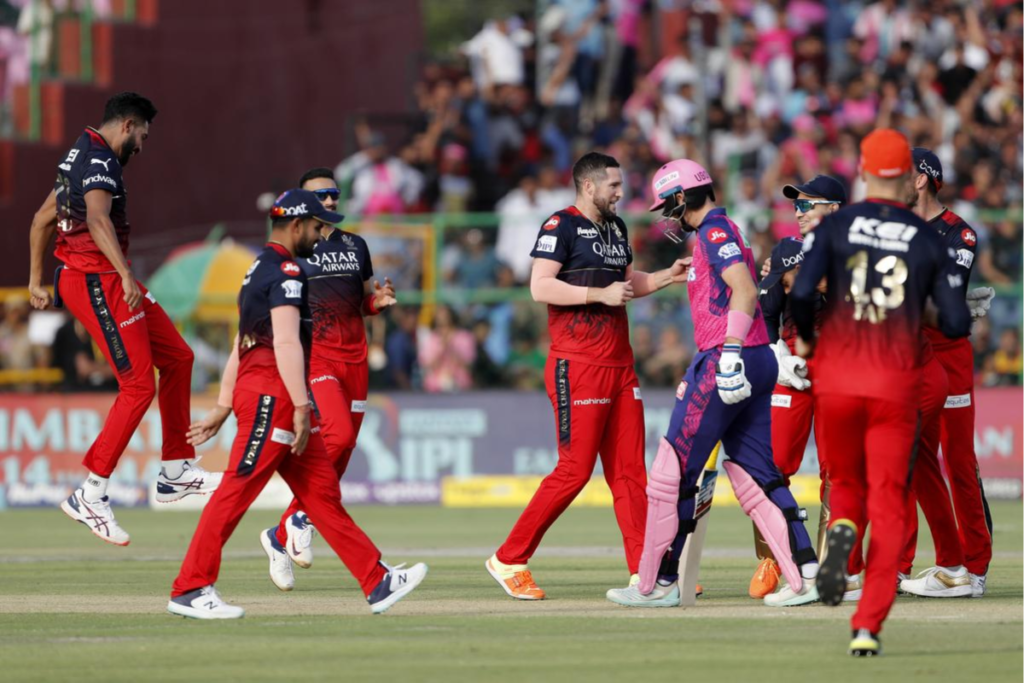
Funding Gaps and Investor Uncertainty: Why Money Is the Biggest Roadblock
While legal and regulatory issues are significant, the biggest immediate hurdle remains funding. The original consortium has struggled to secure binding financial commitments from investors.
Key challenges include:
- Lack of confirmed capital contributions
- Uncertainty over ownership stakes within the consortium
- Concerns raised during due diligence
Because of these issues, the deal has already missed initial timelines and remains uncertain in terms of closure.
Interestingly, this has shifted momentum toward alternative investors, showing how financial readiness can outweigh even strong strategic interest in such high-value deals.
Entry of New Bidders: How the Mittal-Poonawalla Consortium Changes the Equation
As the Somani-led deal stalled, a new consortium led by Lakshmi Mittal and Adar Poonawalla stepped in and reportedly secured a deal worth approximately $1.65 billion.
This development introduces a fresh dynamic:
- Stronger financial backing
- Faster execution potential
- Greater regulatory confidence
However, even this deal is subject to approvals from multiple governing bodies and is expected to close only by the third quarter of 2026.
This highlights that while new investors may accelerate the process, regulatory and legal checks remain unavoidable.
What This Means for IPL and Franchise Ownership in the Future
The RR deal reflects a broader trend in the IPL ecosystem—rising valuations, global investor interest, and increasingly complex ownership structures.
Key takeaways include:
- IPL franchises are now billion-dollar assets attracting global capital
- Regulatory oversight is becoming stricter with higher stakes
- Legal clarity is crucial before finalizing such deals
- Financial certainty is as important as strategic vision
This situation may also push the BCCI to tighten ownership guidelines further, ensuring transparency and compliance in future transactions.
Final Verdict: Will Legal Challenges Derail the RR Deal or Just Delay It?
At this stage, it appears unlikely that legal challenges alone will completely derail the Rajasthan Royals deal. However, they are certainly contributing to delays and uncertainty.
The combination of:
- Ongoing legal disputes
- Regulatory scrutiny
- Funding challenges
means that the deal’s timeline remains fluid.
If the new consortium successfully navigates these hurdles, the deal could still be completed in 2026. But until then, RR’s ownership saga remains one of the most closely watched stories in the IPL landscape.