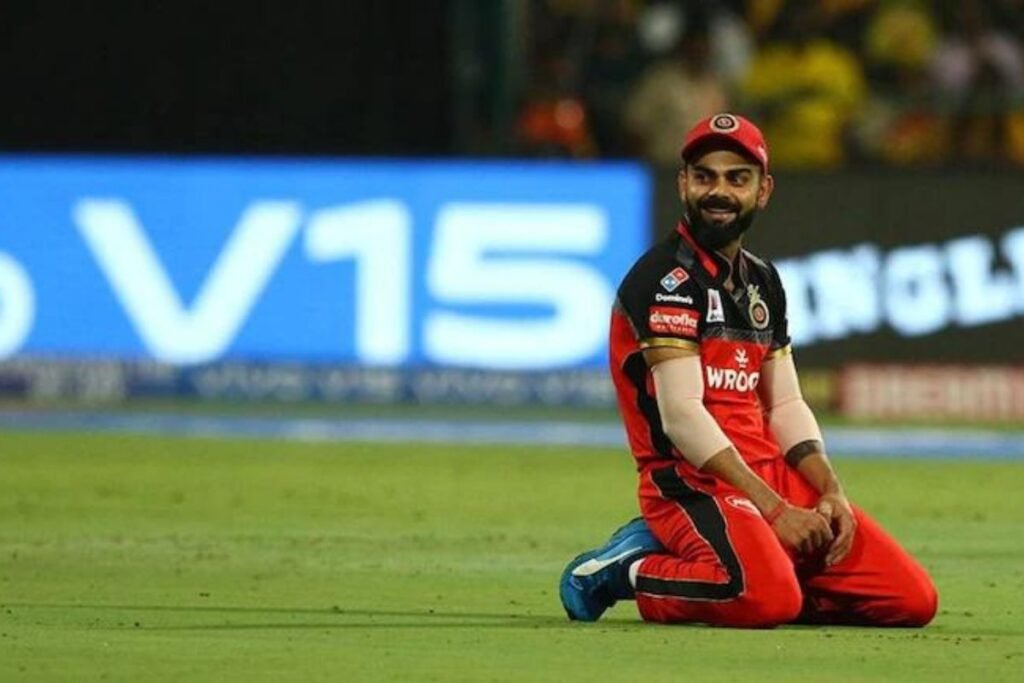
Virat Kohli RCB Captaincy Exit was not a sudden or dramatic moment, but rather the result of years of accumulated pressure, responsibility, and expectations that slowly built up until reaching a breaking point.
Virat Kohli’s time as RCB captain wasn’t just long it was exhausting, intense, and under constant public pressure. From 2013 to 2021, he carried the franchise through highs, failures, and expectations that often felt bigger than the team itself. This is exactly where most people start asking:
Why did Virat Kohli leave the RCB captaincy?
The answer is not simple, but it is clear this was never about a sudden decision, but about years of accumulated pressure building up until stepping down became the only sustainable option.
Not a Failure: Why Was Virat Kohli Considered as a Failed Captain?
One of the most searched questions around his legacy is whether Kohli was a “failed captain,” mostly because RCB never won an IPL title during his tenure.
But calling him a failure is an oversimplification. Under his leadership, RCB reached the IPL final in 2016 and remained a consistently competitive side in multiple seasons. The issue was never individual performance it was inconsistency in squad balance and long term team structure.
Virat Kohli RCB Captaincy Exit: Who Actually Made the Decision?
The reality is straightforward: no one removed him.
Kohli himself announced that he would step down after IPL 2021, marking the end of a long leadership cycle by his own decision rather than external pressure. There was no sacking, no board decision forcing him out, and no internal removal.
The idea that he was “removed” is not factual and mainly comes from online speculation rather than official confirmation or decisions.
Beyond RCB: Why Is Virat Kohli Not the Captain of the Indian Team?
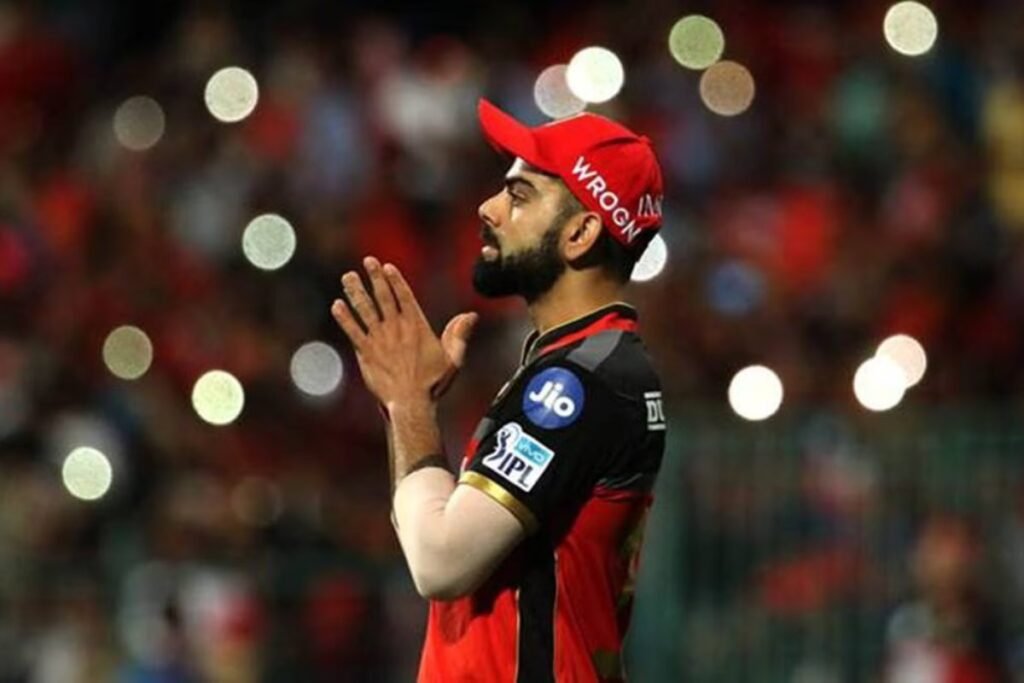
The reason is similar in nature but separate in context. Kohli gradually stepped down from leadership across formats for India as part of a broader transition phase, combined with workload management and performance pressure at the international level.
It wasn’t a single event, but a structured leadership change over time.
Why Did Virat Leave the IPL Captaincy in the First Place?
The answer comes down to three connected factors: long term workload, mental fatigue, and the need to reset after nearly a decade of continuous leadership. Being captain in both international cricket and IPL created an extremely demanding cycle, leaving very little space for recovery or performance focus.
Stepping down was not an exit from responsibility it was a decision to reduce overload.
Life After Captaincy: How Kohli Changed Without Leaving RCB
After giving up captaincy, Kohli did not leave RCB. Instead, he shifted into a senior player role, focusing more on batting and less on tactical leadership.
This change removed pressure from decision making and allowed him to concentrate fully on performance rather than long term strategy.
The Truth Behind Kohli’s Captaincy Exit
When all narratives are stripped away, the truth is simple: Virat Kohli’s exit from RCB captaincy was a voluntary decision made after years of pressure, responsibility, and constant scrutiny.
It wasn’t a removal, it wasn’t a failure, and it wasn’t a sudden reaction. It was the natural end of a long leadership cycle.
FAQs: YOU KNOW
Why did Virat Kohli leave the RCB captaincy?
Because of long term pressure, workload, and mental fatigue after nearly 9 years as captain.
Why was Virat Kohli considered a failed captain?
Mostly due to RCB not winning IPL titles, even though his leadership record includes strong performances and a final appearance.
Who removed Virat Kohli from captaincy?
No one removed him. He stepped down voluntarily after IPL 2021.
Why is Virat Kohli not the captain of the Indian team?
He stepped down as part of a structured leadership transition and workload management strategy.
Why did Virat leave the IPL captaincy?
To reduce pressure and focus more on his batting after years of continuous leadership.