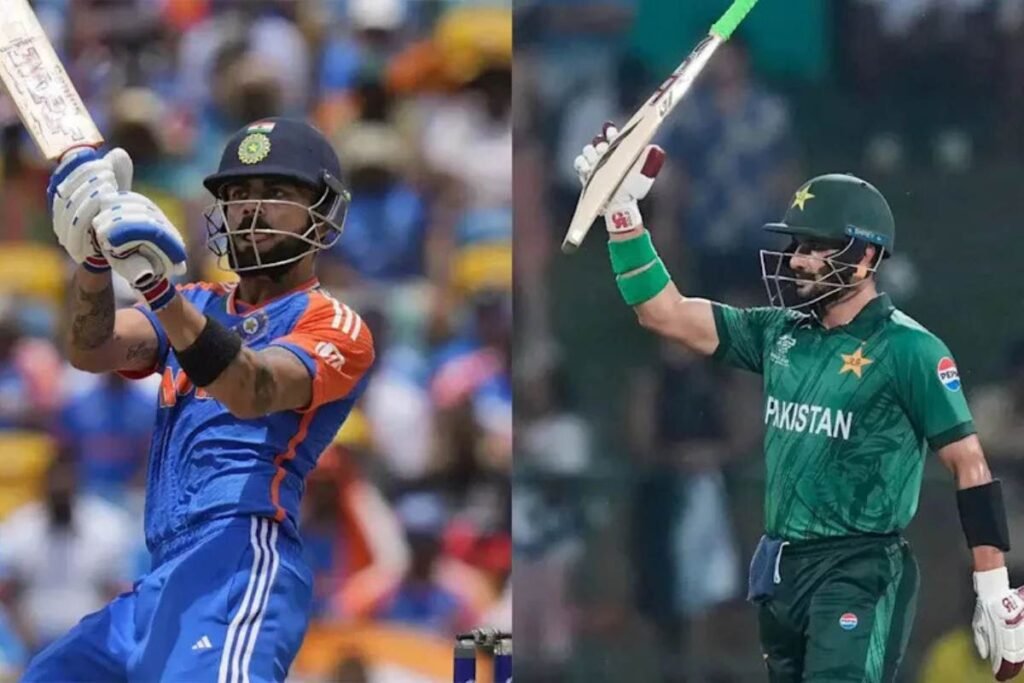
Sahibzada Farhan vs Virat Kohli is a comparison that has gained attention in modern cricket discussions. It is also one of the most uneven matchups in terms of experience and legacy.
In modern cricket, comparisons spread faster than players build careers. One explosive innings is often enough to trigger debates that usually take years of consistency.
That is exactly what has happened with Sahibzada Farhan.
After several aggressive T20 performances and a standout century, his name has started appearing in the same discussions as Virat Kohli. Kohli has defined modern batting through consistency, pressure handling, and elite run chasing for over a decade.
But the real question is simple: is this a real comparison, or just hype driven by timing and social media momentum?
Farhan’s Rise: Impact Through Immediate Aggression in T20 Cricket
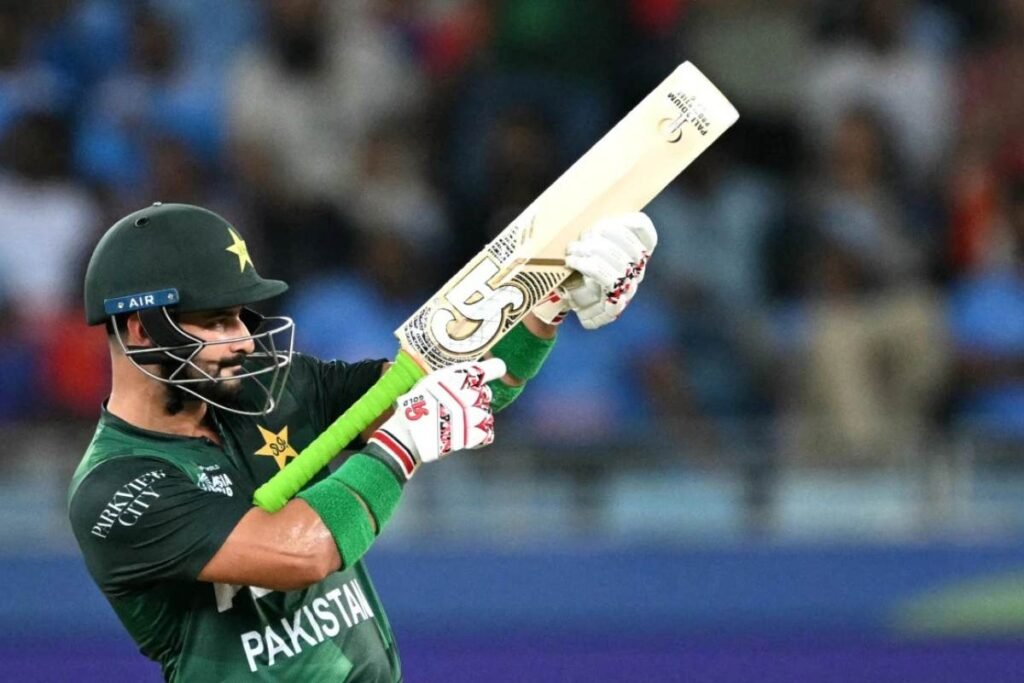
Sahibzada Farhan’s batting identity is built on intent. He does not settle into an innings he takes control from the first ball.
Whatever the conditions, his approach stays the same: attack early, build momentum, and put bowlers under immediate pressure.
In modern T20 cricket, this mindset has already delivered strong results. He maintains a strike rate above 135 and has produced several impactful innings, including a recent century against Sri Lanka that raised his international profile.
Beyond the numbers, what stands out is his rhythm at the crease. When Farhan gets going, he does not just score runs he breaks bowling plans, forces field changes, and disrupts the structure of the game.
That is where his reputation comes from.
Kohli’s Standard: How Control and Pressure Make Him the Chase Benchmark
On the other side stands Virat Kohli not just a batter, but a benchmark for modern run chasing.
Where Farhan brings explosive intent, Kohli brings control under pressure. His T20 career is not defined by isolated performances but by sustained excellence across formats, conditions, and years of high intensity cricket.
With nearly 4,200 T20I runs and an average close to 50, his strength lies in consistency rather than short bursts of brilliance.
Even when he is not scoring fluently, he rarely disappears from the game. He anchors innings, rotates strike, builds pressure, and finishes chases with rare reliability.
This ability to stay impactful in every phase of an innings separates elite performers from long term greats.
Sahibzada Farhan vs Virat Kohli: Why This Comparison Is More Misleading Than It Seems
At first glance, strike rates and highlight clips can make this comparison look closer than it really is.
But cricket is not defined by moments. It is defined by consistency over time.
Farhan represents a high impact profile. He is dangerous in short bursts and explosive when in form, but he is still developing consistency against top tier opposition and under pressure.
Virat Kohli represents something fundamentally different. He has already passed every stage of validation: form, longevity, adaptability, and performance under pressure across multiple eras of cricket.
One player is still building his identity at the highest level. The other has already set the benchmark everyone else is measured against.
Why the Farhan vs Kohli Comparison Is Gaining Attention Right Now
This debate is not purely statistical. It is emotional, narrative driven, and heavily influenced by modern media cycles.
In today’s cricket ecosystem, one standout T20 century can travel globally within minutes. Social platforms amplify performances instantly, often before context or opposition quality is fully considered.
Farhan’s rise is real and promising, but the comparison to Kohli is more a reflection of timing and attention cycles than of true career equivalence.
Kohli’s power hitting stats and longest six curiosity
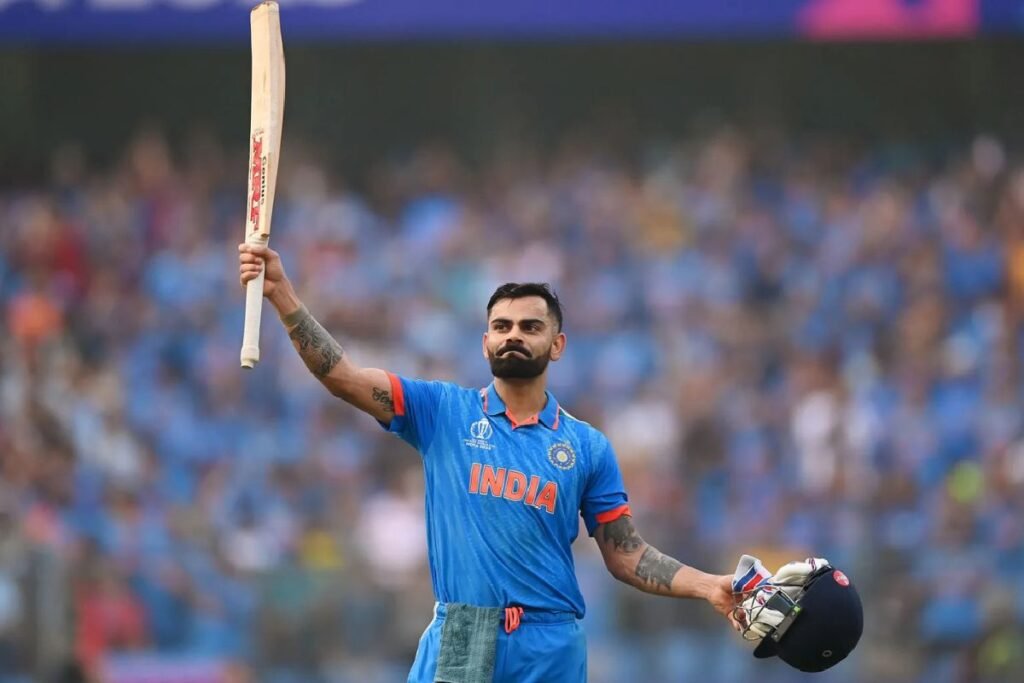
While Virat Kohli is not primarily known for raw power hitting, there is still strong curiosity around his ability to clear the boundary in modern T20 cricket, where six hitting has become a key measure of impact.
This is why searches around his longest six, and biggest IPL sixes continue to attract attention from fans comparing him to more explosive hitters.
The interest goes beyond numbers. It comes from the contrast in batting styles: Kohli relies on timing, placement, and control, while modern T20 cricket often rewards pure hitting power and maximum distance.
That contrast is what keeps the debate alive.
So what are we really looking at?
This is not a battle between equals. It is a snapshot of two very different stages of cricket evolution.
One player is entering a phase where his potential is being tested at the highest level. The other has already defined what excellence looks like in that same environment.
That distinction matters more than any single innings, highlight reel, or viral performance.
Final Thought on Sahibzada Farhan vs Virat Kohli
Sahibzada Farhan represents the modern T20 archetype fearless, aggressive, and capable of changing matches in just a few overs.
Virat Kohli is no longer part of the same comparison cycle. He is the benchmark others are measured against, not a peer in a developing debate.
The discussion will continue, as all cricket debates do. But in the end, time not hype decides which comparisons hold value.
FAQs: YOU KNOW
Is Sahibzada Farhan better than Virat Kohli?
No. Farhan is an emerging T20 talent, while Virat Kohli is an established legend with proven consistency across formats and years.
Why is Sahibzada Farhan compared to Virat Kohli?
The comparison comes from recent T20 performances and hype, but it is mostly driven by media and social discussions rather than career equivalence.
What makes Virat Kohli different from Sahibzada Farhan?
Kohli is known for consistency, pressure chasing, and long term dominance, while Farhan is still building his career with explosive but developing performances.
Has Virat Kohli hit the longest six in cricket?
Kohli is not primarily known for massive six distances, but he has hit several long sixes in international and IPL cricket based on timing and placement.
Can Sahibzada Farhan reach Virat Kohli’s level?
It is too early to say. Farhan shows potential, but Kohli’s career includes sustained performance over more than a decade at the highest level.