
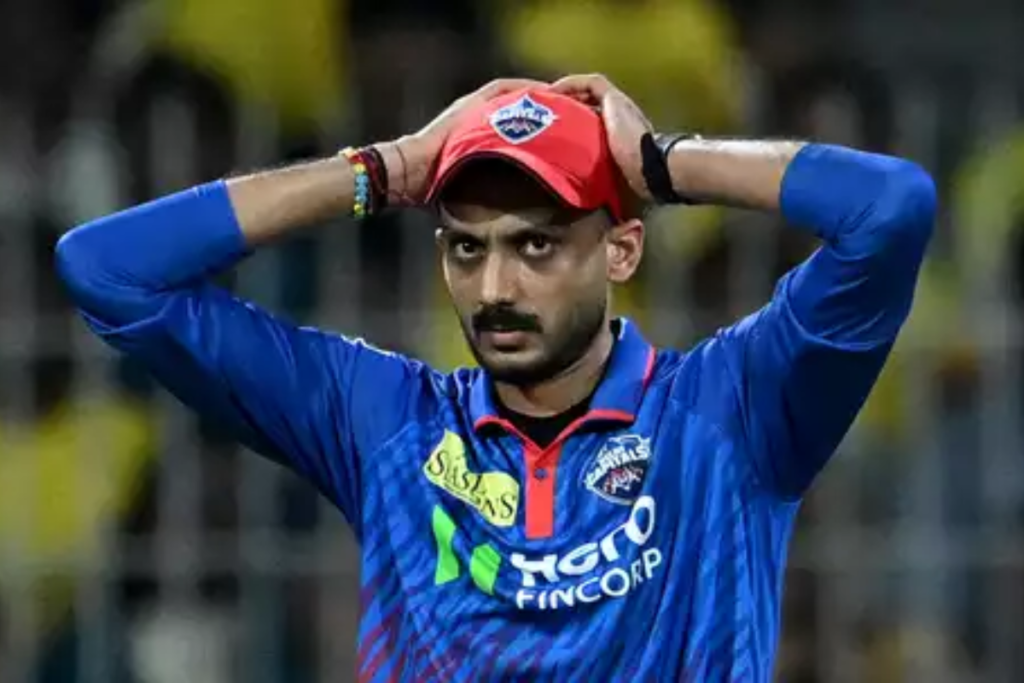
Delhi Capitals (DC) once again find themselves under the scanner for their inconsistent bowling performances in the ongoing IPL Season. Despite having a strong spin department on paper and a high-profile pace attack, the team has struggled to control matches in crucial moments. Their recent performances highlight a clear imbalance between strategy and execution, especially in spin utilization and seam bowling effectiveness.
Over-Reliance on Spin: A Strategy That Has Become a Double-Edged Sword
Delhi Capitals have built their bowling identity around spin, relying heavily on Axar Patel and Kuldeep Yadav as their primary weapons in the middle overs. Over time, this strategy has expanded into a rigid template where spin overs dominate the bowling innings.
However, this approach has started to backfire. In modern T20 cricket, where batters are more aggressive and conditions often favor high scoring, predictable spin usage can become a liability. Opposing teams have adapted quickly, targeting DC’s spinners with sweeps, reverse sweeps, and aggressive footwork.
Recent analysis shows that DC often bowls a higher percentage of spin overs compared to most teams in the league, making their attack one-dimensional at times. When pitches offer little turn, this strategy becomes even less effective, allowing opposition batters to settle and accelerate easily in the middle overs.
Middle-Overs Collapse: Where Control Turns Into Chaos
One of the biggest concerns for DC has been their inability to control the game between overs 7 to 15. Even when they start well in the powerplay, the middle phase often sees a dramatic drop in bowling discipline.
Spinners like Kuldeep Yadav, despite their talent, have been expensive in certain matches when used defensively rather than aggressively. The lack of variation in bowling plans has allowed set batters to target Specific Bowlers repeatedly.
Instead of building pressure through dot balls and wicket-taking deliveries, DC often leaks boundaries in clusters. This phase has become the turning point of many matches, where control slips away despite early breakthroughs.
Seam Bowling Struggles: The Missing Indian Core Strength
While the spin department receives most of the attention, DC’s seam bowling unit has quietly become a major weakness. Indian pacers have struggled to deliver consistent performances throughout the season.
Mukesh Kumar, T Natarajan, and other domestic seamers have failed to maintain pressure in both powerplay and death overs. Their economy rates have often gone above acceptable limits, allowing opposition teams to score freely at crucial stages.
Even with experienced overseas pacers like Mitchell Starc in the mix, the lack of support from Indian seamers has forced DC to rely too heavily on foreign bowlers. This imbalance has reduced flexibility in team combinations and made it easier for opponents to plan against them.
Historically, DC’s most successful seasons came when their pace attack operated as a unit. In recent years, however, that rhythm has been missing, and the current squad continues to struggle in replicating that past dominance.
Tactical Predictability: When Plans Become Too Easy to Read
Another major issue is predictability. Modern T20 cricket demands adaptability, but DC’s bowling plans often appear fixed and reactive rather than proactive.
Captains tend to fall back on pre-decided spin rotations, even when match situations demand pace variations or unconventional matchups. This allows opposition batters to anticipate changes and plan their aggression accordingly.
In several matches, DC has been criticized for sticking to spin even on pitches that clearly assist seam movement. This lack of flexibility has cost them key wickets and allowed chasing teams to build momentum easily.
Death Overs Disaster: The Final Overs Problem
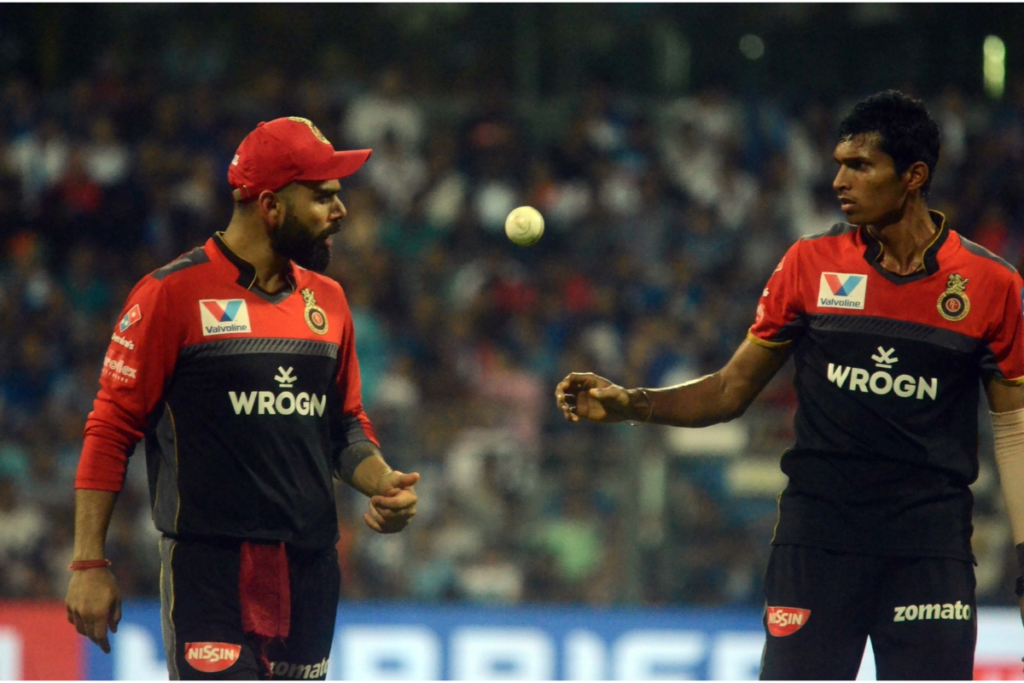
The most damaging phase for DC has been the death overs. Regardless of how well they perform earlier in the innings, the final four overs often undo all the good work.
Bowlers struggle with yorker execution, variation delivery control, and defensive field placement under pressure. As a result, teams frequently score 40–60 runs in the last few overs against DC, turning competitive totals into match-winning ones.
This recurring issue highlights a gap in both execution and planning. Without strong death bowling specialists consistently performing, DC will continue to face challenges in defending totals.
What DC Must Fix to Turn Their Bowling Around
For Delhi Capitals to become genuine title contenders again, they need to rethink their bowling structure. A few key changes could make a significant difference:
- Introduce more flexible bowling rotations instead of fixed spin-heavy plans
- Strengthen Indian pace depth with consistent performers
- Improve death-over execution with clearer roles and practice
- Balance spin usage based on pitch and match situation, not template
- Focus on wicket-taking intent rather than defensive containment
Final Verdict: Talent Exists, but Execution Fails Under Pressure
Delhi Capitals are not lacking talent. With world-class spinners and experienced pacers in the squad, they have the tools to dominate any opposition. However, cricket at the highest level is not just about resources—it is about adaptability, execution, and clarity under pressure.
Until DC fixes their over-reliance on spin and strengthens their seam bowling unit, their bowling woes will continue to overshadow their potential. In a tournament where small margins decide big results, DC must evolve quickly or risk another inconsistent season.