
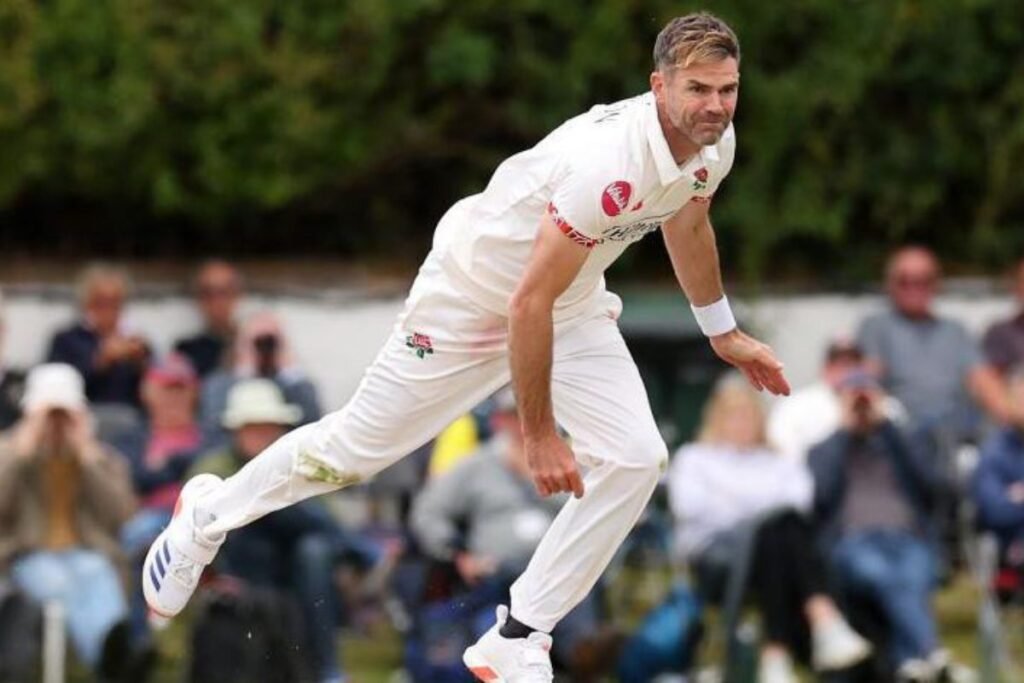
Who benefits most from a new ball in cricket is one of the key questions in understanding how an innings starts. This phase matters because it is the only moment when bowlers get natural assistance from the pitch and the ball.
The surface is fresh. The ball is still hard and shiny. This creates immediate pressure on batters. They must deal with swing, seam movement, and bounce from the very first deliveries.
They do not have time to settle or find rhythm. Understanding this phase is important. It explains how matches can change early, even before the middle overs begin.
It also shows why captains use their best fast bowlers at the start of the innings to exploit these conditions.
Why Does a New Ball Benefit Bowlers?
A new ball benefits bowlers because it is harder, shinier, and more responsive to seam and swing movement. This means even small changes in bowling action can create big differences in how the ball behaves after pitching or in the air.
For batters, this is the most difficult phase of the innings. They are still adjusting to pace and bounce, and even well set techniques can be tested by late movement that only appears in the early overs.
This is why early wickets often decide the rhythm of the entire innings.
Who Benefits Most From a New Ball in Cricket?
The players who benefit most from a new ball are fast bowlers, especially those who can control swing, seam position, and accuracy under pressure. The new ball rewards skill more than pure speed.
Bowlers like James Anderson have built their careers on subtle seam movement and consistency in early overs. Mohammad Amir showed how left arm angle and late swing can immediately pressure top order batters. Modern bowlers like Jasprit Bumrah prove that precision and variation still make the new ball highly effective, even in high scoring formats.
So the clear answer is simple: swing bowlers and strike fast bowlers benefit most, because they can turn early conditions into wicket taking opportunities.
What Is the Advantage of a New Ball in Cricket?
The main advantage of a new ball is that it provides movement, bounce, and speed at the same time. This creates a rare phase in cricket where bowlers can attack freely instead of just defending runs.
Because the seam is still upright and the surface is not worn, the ball reacts more sharply off the pitch and in the air. This makes even good defensive shots risky in the early overs.
This is why teams often aim to take early wickets rather than simply contain runs.
Why Does the New Ball Swing More?
Ultimately, the answer to who benefits most from a new ball in cricket is clear: fast bowlers gain the biggest advantage.
The new ball swings more because its surface is smoother and more polished. This allows air to travel differently on each side of the ball when the seam is positioned correctly.
When a bowler controls wrist position and seam alignment, this difference in airflow creates lateral movement. This movement becomes harder for batters to read, especially early in the innings when timing is not fully set.
Is a New Ball Good for Spinners?
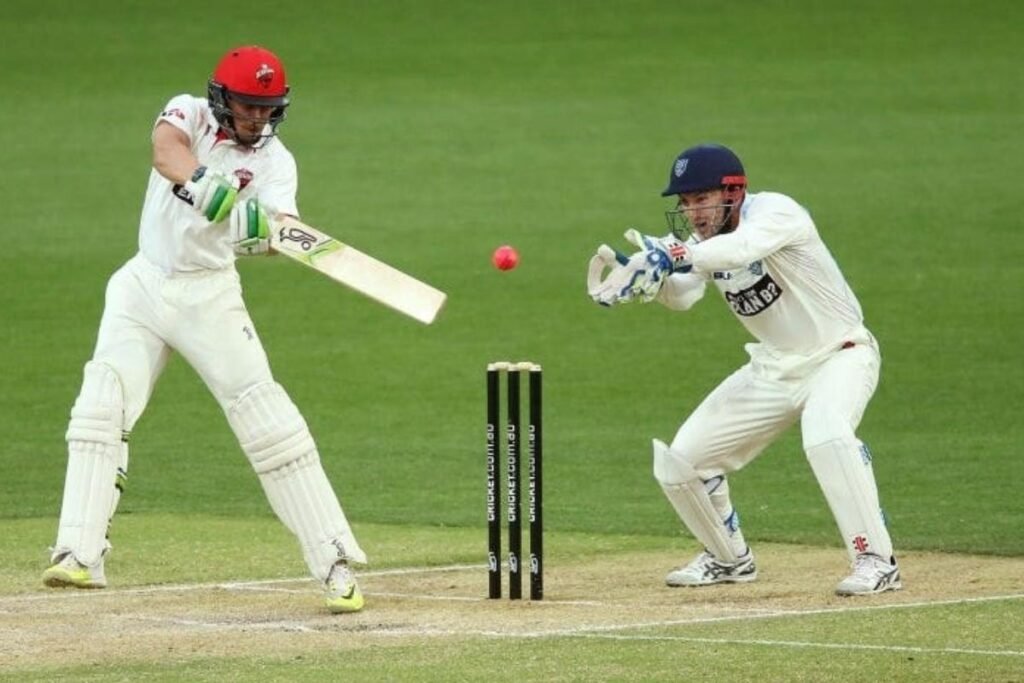
A new ball is generally not ideal for spinners because it does not offer enough surface wear or grip for turn. This is why fast bowlers dominate this phase in almost all conditions.
However, in limited overs cricket, spinners can still use the new ball for control rather than turn. This becomes more common when batters attack aggressively during the powerplay.
Still, the overall advantage remains with pace bowlers.
When Can Teams Take a New Ball in Cricket?
In Test cricket, a new ball can usually be taken after 80 overs, and this is a key strategic moment for the fielding side.
Captains use it to restart attacking plans and bring back strike bowlers.
It also reduces the pressure on batters who may have settled during the middle overs, often creating quick wicket chances and shifting match momentum.
Final Answer: Who Benefits Most From a New Ball?
To answer the question directly, the new ball benefits fast bowlers the most, especially those who can combine swing, seam control, and discipline in the early overs.
This phase is unique because conditions fully support wicket-taking opportunities.
Even though modern batting is stronger and scoring rates are higher, the first few overs of an innings remain the most influential phase.
Bowlers who use this short window well continue to have the biggest impact on matches.
If you want to understand this concept in more depth, you can read our guide on Who Is Dangerous With New Ball in Cricket.
FAQs: YOU KNOW
Who benefits most from a new ball in cricket?
Fast bowlers benefit most because the new ball offers swing, seam movement and bounce that help them take early wickets before batters settle.
Why does a new ball swing more in cricket?
A new ball swings more because its surface is smooth and shiny, which creates different airflow on each side when the seam is positioned correctly.
Is a new ball better for fast bowlers or spinners?
A new ball is mainly better for fast bowlers because it provides movement and pace, while spinners usually prefer older balls with more grip.
When do teams get a new ball in Test cricket?
Teams can take a new ball after 80 overs in Test matches, which usually leads to more attacking bowling and wicket opportunities.
Can a new ball change the result of a match?
Yes, early wickets with a new ball can shift momentum quickly and often decide the direction of an innings.