Imran Khan is one of the most influential personalities in Pakistan’s history. He is known for his outstanding cricket career, leadership as a captain, and later his role in politics and social work. His journey from a world-class cricketer to the Prime Minister of Pakistan is full of struggles, achievements, and inspiration.
Early Life and Education
Imran Khan was born on October 5, 1952, in Lahore, Pakistan, into a well-educated and respected Pashtun family. He received his early education in Lahore and later went to the United Kingdom for higher studies. He studied at the University of Oxford, where he graduated in Philosophy, Politics, and Economics (PPE) from Keble College.
From a young age, Imran showed a strong interest in cricket. He was inspired by his cousins who also played the sport. His natural talent and dedication helped him rise quickly in the cricketing world.
Start of Cricket Career
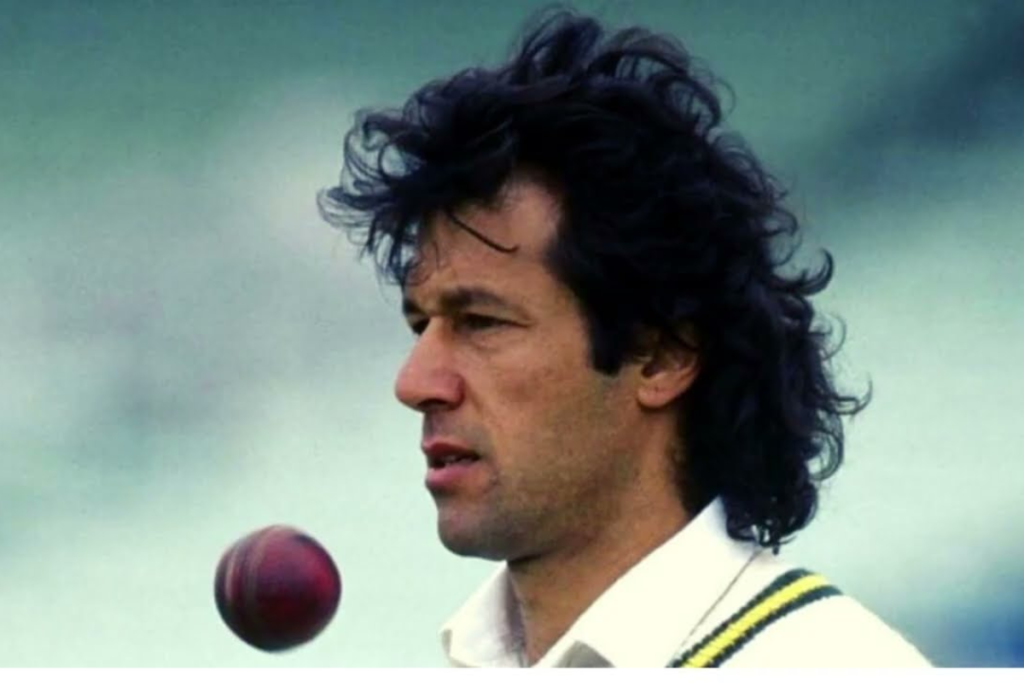
Imran Khan made his debut for the Pakistan national cricket team in 1971 at a very young age. In the early years of his career, he played as a fast bowler and gradually developed into an all-rounder.
During the 1970s and 1980s, he became one of the most dangerous fast bowlers in the world. His ability to swing the ball at high speed made him a match-winner for Pakistan. He played county cricket in England, which further improved his skills and experience.
Captaincy and Leadership
Imran Khan became the captain of the Pakistan cricket team in 1982. Under his leadership, Pakistan transformed into a competitive and strong team on the international stage.
He encouraged young players and built a team that believed in fighting spirit and discipline. His leadership played a major role in shaping modern Pakistan cricket.
1992 Cricket World Cup Victory
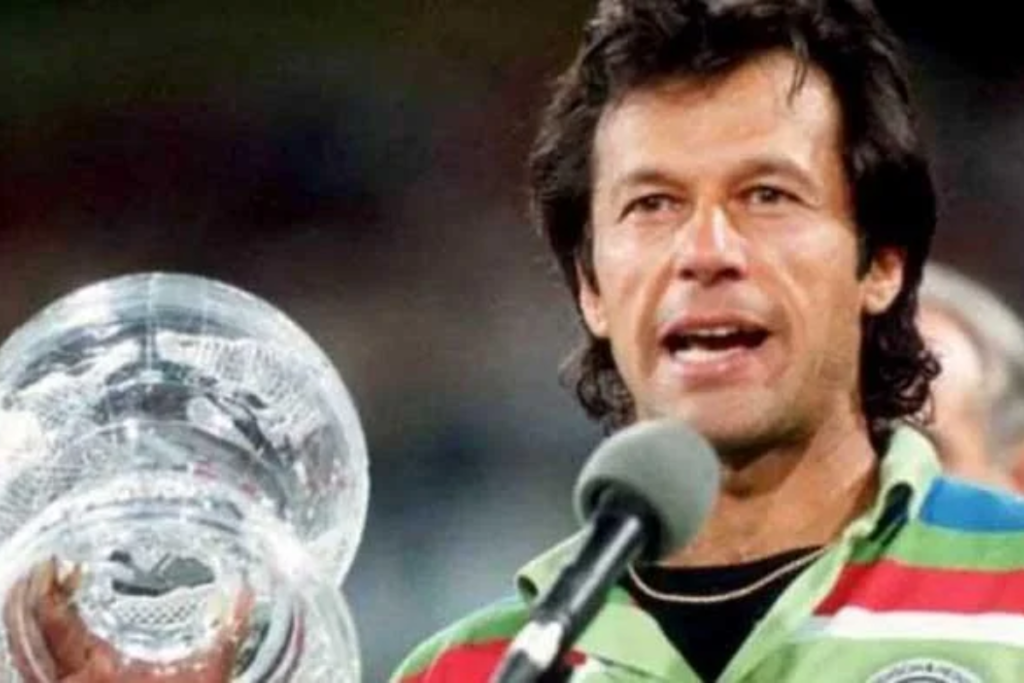
The biggest achievement of Imran Khan’s cricket career came in 1992 when he led Pakistan to win the ICC Cricket World Cup. It was the first World Cup victory in Pakistan’s history.
The final match was played against England at Melbourne Cricket Ground, Australia. Imran Khan played a captain’s knock in the final, guiding his team to a historic victory. This win made him a national hero and one of the greatest cricket captains of all time.
After this victory, he retired from international cricket, leaving behind a legendary career.
Philanthropy and Shaukat Khanum Hospital
After retiring from cricket, Imran Khan turned his focus towards social work. One of his greatest contributions is the establishment of Shaukat Khanum Memorial Cancer Hospital in Lahore, which was named after his mother who died of cancer.
This hospital provides free and high-quality treatment to cancer patients who cannot afford expensive medical care. It is considered one of the most advanced hospitals in Pakistan and the region.
He also established Namal University in Mianwali, aiming to provide quality education to underprivileged students.
Political Career
Imran Khan entered politics in 1996 by founding his own political party, Pakistan Tehreek-e-Insaf (PTI). At the beginning, his party struggled to gain popularity, but he continued his efforts for many years.
His political vision focused on justice, anti-corruption, education, and healthcare reforms. After years of struggle, PTI gained massive support in the 2013 general elections and became one of the major political parties in Pakistan.
In 2018, Imran Khan became the Prime Minister of Pakistan after his party won the general elections. As Prime Minister, he focused on poverty reduction, welfare programs, and improving international relations.
Achievements as Prime Minister
During his tenure, Imran Khan introduced several welfare projects such as Ehsaas Program for poverty reduction and Sehat Sahulat Card for free healthcare services.
He also focused on environmental protection through initiatives like the Billion Tree Tsunami project, which helped in large-scale tree plantation across Pakistan.
His government also worked on improving economic stability and strengthening institutions.
Legacy and Influence
Imran Khan remains a highly influential figure in Pakistan and around the world. His journey from a cricket legend to a political leader is considered inspirational for many people.
He is admired for his determination, leadership, and commitment to public service. Whether in sports or politics, he has left a strong impact on Pakistan’s history.