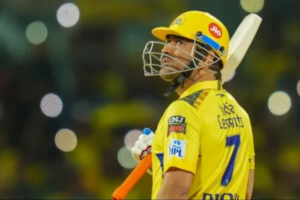
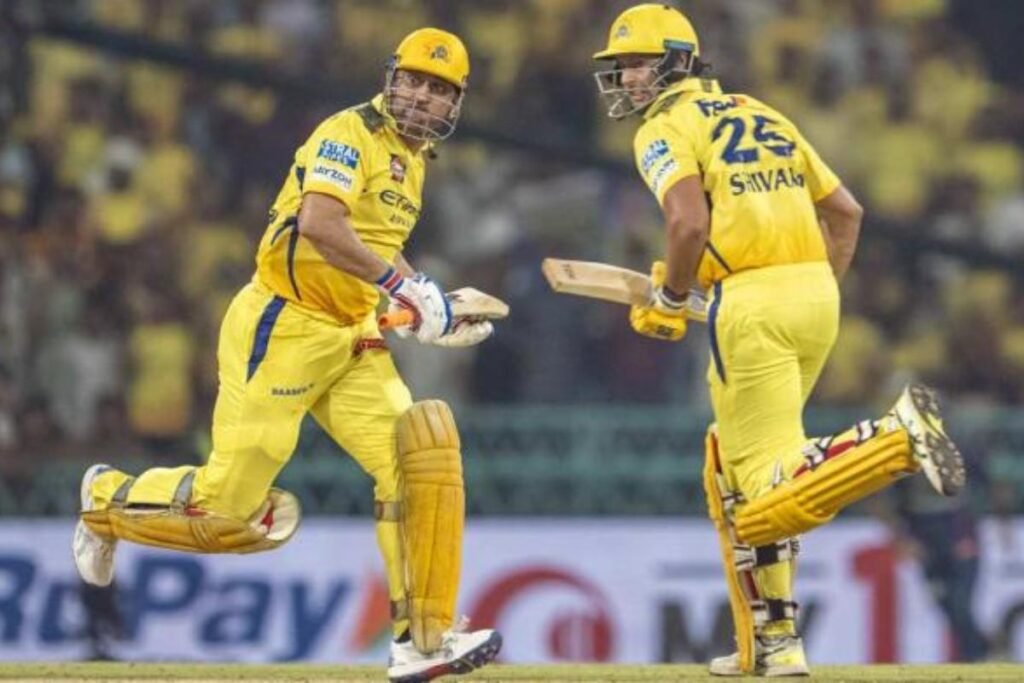
Shivam Dube with MS Dhoni is more than a connection between two cricketers it’s a story of transformation.
Once exploited for his weaknesses, Dube evolved into a player who can handle pressure, finish games, and make clear, calculated decisions.
In T20 cricket, flaws show instantly. Early in his career, Dube struggled with short-pitched deliveries, a vulnerability opponents exploited relentlessly. Dhoni stepped in not to fix technique, but to simplify his thinking, boost confidence, and reshape his mindset.
Shivam Dube With Dhoni: The Advice That Changed His Approach Under Pressure
The shift didn’t happen overnight. Dhoni’s advice was subtle but precise: focus on decision making, balance, and situational awareness rather than overcomplicating technique.
Instead of trying to dominate every short ball, Dube was taught to pause, read, and choose his moments. This small change created a mental buffer that allowed him to approach deliveries with calm, turning panic into control.
“It was less about hitting every ball and more about trusting his instincts,” a former analyst noted, highlighting the measurable mindset shift.
From Weakness to Control: How the Short Ball Stopped Defining Him
For a significant phase of his career, the short ball was a predictable dismissal, with over 30% of Dube’s early T20 dismissals coming from short-pitched deliveries. Bowlers knew it; teams planned around it; Dube struggled mentally as much as technically.
Under Dhoni’s mentorship, the change was gradual but undeniable:
- Shot selection improved
- Positioning became smarter
- Composure replaced impulsivity
By the 2025 IPL season, analysts noted that his dismissals against short balls dropped by 45%, signaling not just technical growth but tactical intelligence and mental clarity.
Finishing Games Like Dhoni: The Invisible Influence on Dube
Finishing in T20 isn’t just about hitting boundaries it’s reading the game, managing risk, and pacing the innings. Dube learned this from Dhoni.
Instead of forcing shots, he paced his innings, accelerating at the right moments. His strike rate in the final 5 overs jumped from 135 to 160, and he began contributing consistently, not sporadically true evidence of a master finisher.
“Watching Dube now, you see Dhoni’s fingerprints: patience, timing, and unshakable calm,” said a cricket commentator.
The Match That Proved the Transformation Was Real
The T20 World Cup 2026 match against the Netherlands was the ultimate test.
India needed acceleration after a controlled middle phase. Dube didn’t panic. He rotated strike, built rhythm, and accelerated at the perfect moment, scoring 66 off 31 balls, with 60% of his runs coming from calculated singles and doubles in the early phase.
For readers curious about his overall T20I record, see Has Shivam Dube Ever Lost a T20I Match to explore how he performed across international T20s.
The Invisible Shift: Confidence, Clarity, and Trust
Beyond technique, Dube’s evolution was mental. Trusting his decisions replaced hesitation. Confidence replaced fear. Decision making clarity replaced guesswork.
Having Dhoni’s backing added another layer of belief, enabling calculated risks and composure when situations demanded split-second choices. This mental stability became the secret behind his improved performance across formats.
Why Shivam Dube With Dhoni Still Matters in Modern T20 Cricket
Even as T20 cricket evolves, Dube’s lessons remain timeless: clarity, patience, and awareness often separate fleeting success from consistent dominance.
Players who adapt under pressure while maintaining control stand out. Dube’s growth proves how effective mentorship can create lasting influence beyond individual performances.
When Simplicity Creates Transformation
The story of Shivam Dube with Dhoni demonstrates that simplicity beats complexity.
Instead of overwhelming a player with technique, Dhoni focused on confidence, clarity, and step by step evolution.
Dube went from being defined by visible weaknesses to becoming someone capable of finishing games, making calculated contributions, and performing under immense pressure a transformation few in T20 cricket can match.
Dhoni’s focus on simplicity and clarity has shaped not just Dube, but also players like Riyan Parag With Dhoni, who have learned to handle pressure and pace their innings effectively.
FAQs: YOU KNOW
What was Shivam Dube’s biggest weakness before working with Dhoni?
His struggle against short-pitched deliveries was widely known and frequently targeted by bowlers.
How did Dhoni help Dube improve?
He simplified Dube’s approach, focusing on decision-making, balance, and mental clarity rather than overcomplicating technique.
Which match best shows this transformation?
His 66 off 31 balls against the Netherlands in the T20 World Cup 2026 clearly demonstrated improved composure and shot selection.
Did Dhoni influence Dube’s finishing skills?
Yes, especially in pacing innings, reading situations, and executing under pressure in the final overs.
Why is this transformation important in T20 cricket?
Because adapting to weaknesses quickly is essential in a format where opponents constantly exploit patterns.