Why is Steve Smith Not Playing the T20 World Cup 2026?
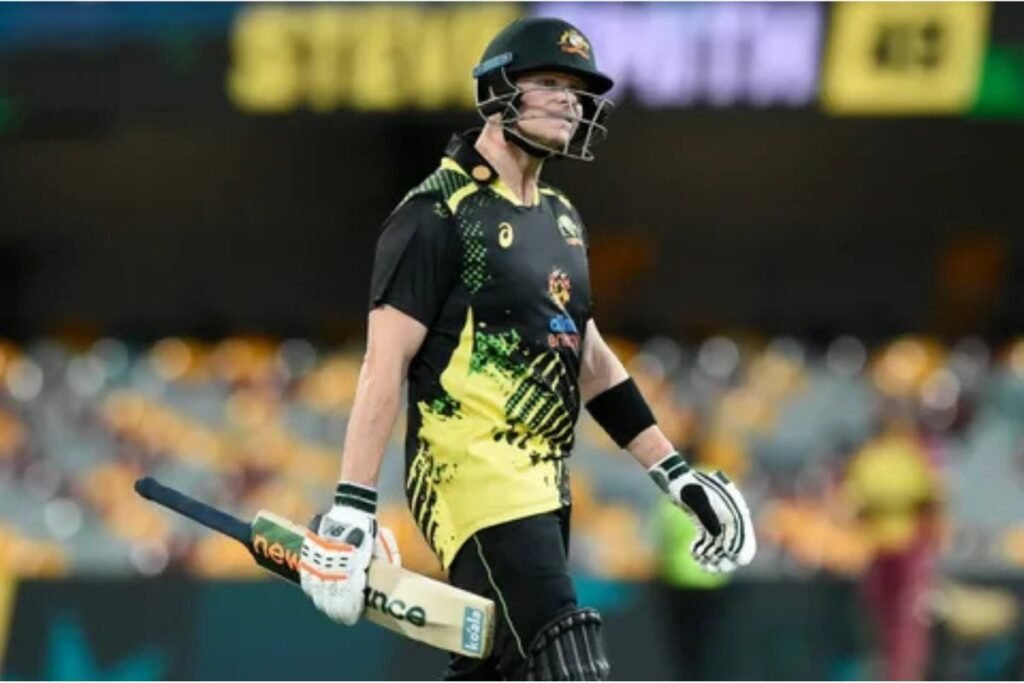
Steve Smith, widely regarded as one of Australia’s most accomplished and versatile batters, finds himself in a situation that has sparked speculation among fans, analysts, and teammates alike about his absence in the early stages of the T20 World Cup 2026. This ongoing debate has dominated social media, cricket forums, and locker room discussions worldwide, prompting the persistent question: why is Steve Smith not playing right now, despite his excellent form in domestic competitions and his reputation as one of the most reliable top order batsmen in modern cricket? The scenario combines team strategy, injury management, tournament rules, and the nuances of player readiness in a high stakes international environment where every match can directly influence Australia’s chances of advancing to the Super 8s.
Why is Steve Smith Not Playing the T20 World Cup 2026? The Circumstances Behind Smith’s T20 World Cup Absence
The circumstances surrounding Steve Smith’s absence are complex, beginning with his role as a standby player who travelled to Sri Lanka after captain Mitchell Marsh suffered a groin injury that caused internal testicular bleeding, forcing him to miss Australia’s initial matches. The situation became even more complicated when pacer Josh Hazlewood withdrew late due to an Achilles injury, leaving a vacant squad spot that Smith now fills as the team navigates strict ICC rules on player replacements. Although Smith officially joins the 15-player squad, his presence in the starting XI depends on other players’ availability, reflecting both the tactical priorities of Australian team management and the careful balance required to maintain top order stability, with Marsh and Travis Head positioned as the primary openers.
Australia’s Team Strategy and T20 Planning
Australia’s preparation for the T20 World Cup has faced disruptions due to injuries to key players, including Pat Cummins, Josh Hazlewood, and Marcus Stoinis, which forced selectors to weigh carefully whether to include an experienced batter like Steve Smith while preserving the existing batting hierarchy. The team’s recent performances add to the challenge: after a strong opening win against Ireland, Australia suffered a shocking defeat to Zimbabwe and now faces a crucial do or die match against co hosts Sri Lanka. Smith’s role as a conditional squad member goes beyond his personal form, offering strategic flexibility, aiding in the management of player fatigue during a congested schedule, and helping the team maintain cohesion in high pressure T20 contests where even minor mistakes can affect advancement to the Super 8s. While Steve Smith has recovered and returned to training, fans are still asking: will he feature in the T20 World Cup 2026? Learn more in Will Steve Smith Play the T20 World Cup in 2026?
Why is Steve Smith Not Playing the T20 World Cup 2026? Smith’s Recent Form and Fitness
Despite not having played a T20 for Australia since February 2024, Steve Smith has demonstrated exceptional form in the Big Bash League, scoring a century and two fifties in six matches following the Ashes, performances that underscore his readiness and make a strong case for his inclusion should team circumstances demand it, while his training sessions in Kandy, Sri Lanka, alongside the squad, indicate that he is physically prepared to compete, but selectors remain cautious, recognizing that integrating Smith into the starting XI too early could disrupt the rhythm of established top order players, and emphasizing that his presence is as much about tactical insurance, squad depth, and morale boosting as it is about immediate on field impact.
ICC Regulations and Squad Approval
The circumstances surrounding Steve Smith’s absence are complex, starting with his role as a standby player who travelled to Sri Lanka after captain Mitchell Marsh suffered a groin injury that caused internal testicular bleeding, forcing Marsh to miss Australia’s initial matches. The situation became even more complicated with pacer Josh Hazlewood withdrawing late due to an Achilles injury, leaving a vacant squad spot that Smith now fills. While he is officially part of the 15 player squad, Smith’s participation in the starting XI depends on other players’ availability, reflecting the Australian team management’s tactical priorities and their effort to maintain top-order stability, with Marsh and Travis Head firmly positioned as the primary openers.
Impact on Australia and Fan Reactions
Smith’s absence from the immediate playing XI has sparked debate among fans, who argue that his experience, consistency, and proven ability under pressure could have strengthened the team from the outset. Australian team management, however, emphasizes that the current top order remains world class, and they view Smith’s role as a standby or late inclusion as a matter of strategic prudence in T20 cricket, a format defined by rapid pace, high attrition, and frequent rotation. Meanwhile, social media and cricket forums continue to speculate on when Smith might finally enter the tournament, how he could influence key matches, and whether his inclusion could act as a decisive factor in Australia’s bid to reach the Super 8s.
Why Smith’s Absence Matters
Selectors have not excluded Steve Smith from the starting XI due to poor form, fitness, or readiness. Instead, they focus on carefully balancing team stability, ICC regulations, and tournament strategy. By keeping Smith as a standby player, Australia gains insurance, experience, and flexibility, ensuring that a seasoned batter can step in whenever injuries or match conditions require a change. Fans, analysts, and teammates watch closely, knowing that when Smith finally takes the field, his performance can shift the momentum of Australia’s campaign well beyond his individual contributions at the crease.
For a complete breakdown of his condition and recovery, see Does Steve Smith Have a Medical Condition?.
FAQ
Can Steve Smith play later in the T20 World Cup?
Yes, he can be officially included in the playing XI if a squad member is ruled out for the remainder of the tournament, making him a strategic backup.
Why wasn’t Smith included from the start despite his Big Bash form?
Selectors prioritized top order stability with Marsh and Travis Head as openers, and T20 strategy often requires preserving established batting combinations.
How has Smith performed recently in domestic T20 cricket?
He scored a century and two fifties in six Big Bash matches after the Ashes, showing he is fully match ready.
What could Smith’s presence mean for Australia’s campaign?
As a seasoned opener, Smith provides tactical depth, leadership, and a psychological boost for the team during high pressure Super 8 matches.