The secret backers driving Afghanistan cricket’s rise
Who Sponsors the Afghanistan Cricket Team? The sponsorship of Afghanistan’s cricket team is far more than financial backing; it reflects a complex mix of sports strategy, geopolitics, and global brand positioning, where corporate investments, international negotiations, and governance decisions converge to shape opportunities and visibility for both men’s and women’s teams. While Afghanistan’s rapid rise in cricket has captured worldwide attention, the reality behind the scenes involves careful strategic planning and partnerships with companies and foundations that aim to maximize visibility while supporting development in regions affected by conflict. Global sponsors, including foundations and organizations backing international cricket, see value not just in associating with star players like Rashid Khan and Mohammad Nabi, but also in the growing influence of Afghan cricket on global platforms, where social impact, diplomacy, and brand engagement intersect with on-field performance and long term growth of the sport.
Why sponsorship is more than money for Afghanistan cricket
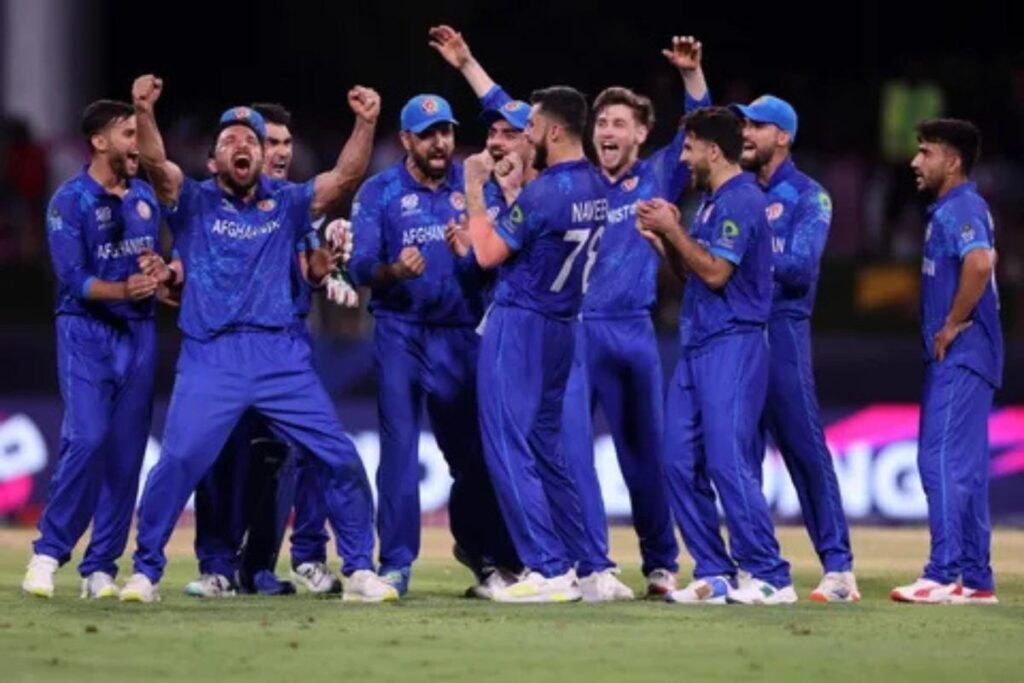
Afghanistan’s national team enjoys a combination of corporate partnerships and ICC financial backing, each contributing to the operational stability and global presence of the squad. Amul emerged as a prominent sponsor during ICC tournaments, while Etisalat has contributed to development programs and international exposure. The team’s participation in high profile tournaments, including the Asia Cup and T20 World Cups, has also generated substantial revenue through ticket sales and broadcast rights. In addition, TLC 2.0 and other corporate partners support specific campaigns, sometimes targeting youth engagement and women’s cricket initiatives. The ICC itself provides structured financial assistance for governance, infrastructure, and talent development, ensuring the team can function despite political uncertainties and limitations on hosting matches at home.
Notably, sponsorships extend beyond funding: they provide marketing leverage for brands and amplify the visibility of players such as Rashid Khan, Mohammad Nabi, and Rahmanullah Gurbaz, whose international appeal strengthens the value proposition for global sponsors. Similarly, financial support for Afghan women cricketers has drawn attention to gender inclusion in sport under challenging circumstances, a factor that both the ICC and corporate sponsors actively support.
Afghanistan’s World Cup progress cannot be separated from the impact of external mentorship, especially the role discussed in What is Ajay Jadeja in Afghanistan?
How sponsors shape the Future of Afghanistan cricket behind the scenes
Sponsorship in Afghanistan is not free from complications. Political instability, international sanctions, and governance challenges occasionally threaten continuity, while external scrutiny questions the ethical and legal dimensions of certain partnerships. Controversies have arisen over claims regarding who officially funds or sponsors the team, creating misinformation and media attention that can impact brand reputation. Female cricket programs, while financially supported, face additional hurdles due to restricted mobility and cultural sensitivities, highlighting the complexity of ensuring that sponsorship reaches intended programs effectively. Furthermore, fluctuations in global sponsorship trends and tournament hosting uncertainties can make the financial outlook volatile, forcing both the Afghanistan Cricket Board and corporate partners to navigate risk while maintaining strategic visibility.
To understand the broader financial ecosystem supporting Afghanistan’s cricket operations, including ICC contributions and player influence, check out our detailed breakdown on Who is funding the Afghanistan cricket team?
While corporate sponsors provide visibility and brand backing, cricket boards also contribute to infrastructure and training support, leading many to ask: Does BCCI Fund Afghanistan?
The controversial sponsors of Afghanistan cricket you didn’t know about
To maintain and grow effective sponsorship, Afghanistan and its partners can adopt multiple strategic approaches. First, transparent reporting and consistent communication about sponsorship utilization can enhance trust and encourage new international partnerships. Second, leveraging star players like Rashid Khan and Mohammad Nabi in campaigns not only strengthens brand value but also connects the team to global audiences, providing sponsors with measurable impact. Third, scenario based contingency planning for geopolitical risks ensures that contracts and tournament preparations remain secure. Lastly, supporting women’s cricket initiatives through sponsorships that integrate social responsibility amplifies positive attention and long-term sustainability. These measures, combined with ICC guidance and structured funding, provide a roadmap for cricket sponsorship that balances financial objectives, social impact, and strategic sports diplomacy.
The strategic direction of the team also depends on decisions taken by the current CEO of the Afghanistan Cricket Board, who plays a key role in governance and international relations.
FAQ
Who are the main organizations funding the Afghanistan cricket team?
Major contributors include the ICC, Afghanistan Cricket Board (ACB), global sponsors like Amul, Etisalat, TLC, and international cricket foundations supporting both men’s and women’s teams.
How does ICC funding support Afghanistan cricket?
The ICC provides grants, tournament funding, and development programs to ensure Afghan cricketers have access to training, facilities, and international exposure, especially for displaced or female players.
Are private sponsors like Amul and Etisalat crucial for Afghanistan cricket?
Yes, these sponsors provide financial stability, cover tournament expenses, and help build grassroots programs, which complement ICC funding and allow the team to compete globally.
How do political and social factors influence Afghanistan cricket sponsorship?
Sponsorship decisions are shaped by regional politics, regulatory approvals, and social considerations, particularly regarding women’s cricket, international travel, and ethical sponsorship alignment.
Can sponsorship funding impact Afghanistan cricket’s long term success?
Absolutely. Reliable funding ensures consistent training, tournament participation, and talent retention, giving Afghan cricket a competitive edge while promoting stability and growth in international tournaments.