Who Is Funding the Afghanistan Cricket Team and Why It Matters
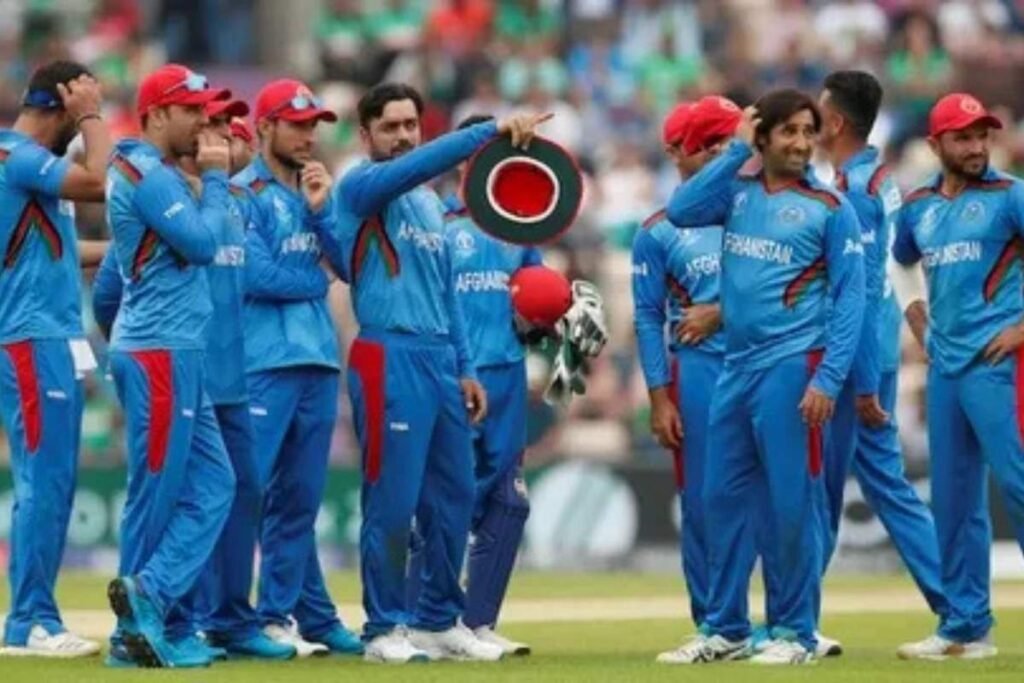
Who is funding the Afghanistan cricket team is not just a financial question, but a deeper look into how international cricket sustains emerging nations in a system largely driven by global broadcasting money, tournament revenue, and centralized governance. Afghanistan’s rapid rise from associate status to competing against elite teams has impressed fans worldwide, yet behind every T20 World Cup appearance and every international tour stands a funding structure that determines whether training camps happen, contracts get paid, and young players find a pathway into professional cricket.
When people see Rashid Khan dominating with the ball or Mohammad Nabi guiding the middle order, they rarely think about the financial ecosystem that allows those performances to exist. However, without stable institutional support, talent alone cannot sustain international competitiveness.
How the International Cricket Council Actually Funds Afghanistan Cricket
The primary funding for Afghanistan cricket comes from the International Cricket Council. As a Full Member, Afghanistan receives a share of ICC revenue from broadcasting, sponsorships, and major tournaments, which supports central contracts, coaching, travel, domestic cricket, and administration without it, competing internationally would be difficult.
What the Afghanistan Cricket Board Does With Its Funding
The Afghanistan Cricket Board manages ICC funds domestically, handling player payments, competitions, infrastructure, and international tours. Relying mainly on ICC revenue due to limited domestic sponsorship, the board’s centralized structure enables Afghanistan to compete internationally despite economic challenges.
Does the Afghan Government Fund the Team or Just Control It?
A key aspect of Afghanistan cricket funding is government involvement. The Afghanistan Cricket Board mainly interacts with state authorities for administrative recognition, not direct financing. Most cricket activities are funded by ICC distributions, while the government oversees and regulates. This shows that Afghanistan relies more on ICC support than on state budgets for international participation.
Do Sponsorships and Stars Like Rashid Khan Really Make a Difference?
Commercial sponsors and regional partnerships provide additional support, though smaller than ICC funding. Star players like Rashid Khan and Mohammad Nabi earn from global T20 leagues, easing pressure on central contracts and raising professional standards. Afghanistan’s cricket economy thus combines ICC funding with individual global earnings.
Who Is Funding Afghan Women Cricketers and How They Train Abroad
Afghan women cricketers continue their development abroad. International cricket bodies and partner boards provide funding for training, structured programs, and long-term support. This shows that global cricket governance goes beyond tournaments to include social and developmental responsibility.
Can Afghanistan Cricket Survive Without ICC Funding?
Afghanistan’s cricket sustainability requires diversification: ICC revenue is crucial, but stronger domestic sponsorship, media partnerships, and grassroots investment are needed. Consistent ICC performances boost visibility and attract commercial interest, gradually enhancing financial independence. Funding rests on three pillars: ICC revenue, Afghanistan Cricket Board management, and international commercial integration.
Commercial sponsorship supports Afghan cricket, though smaller than ICC funding. See Who Sponsors the Afghanistan Cricket Team for details.
FAQ
Does Afghanistan receive the same ICC funding as other Full Member nations?
Afghanistan, as an ICC Full Member, receives a share of global revenue, but still earns far less than major nations like India, England, and Australia under the current model.
Are private sponsors important for Afghanistan cricket funding?
Private sponsors and commercial deals support the system, helping the Afghanistan Cricket Board fund domestic cricket, player contracts, and infrastructure alongside ICC revenue.
How has political instability affected Afghanistan cricket finances?
Political changes have created uncertainty around governance, international relations, and women’s cricket, while International Cricket Council funding continues under close global scrutiny.
Who pays Afghanistan’s central player contracts?
Central contracts are funded and managed by the Afghanistan Cricket Board, while players also earn from global T20 leagues, reducing reliance on board funding alone.
Could ICC funding to Afghanistan ever be suspended?
In theory, International Cricket Council funding can be reviewed over governance issues, but it has continued with structured oversight to support development rather than isolation.