Did Pakistan Really Boycott the World Cup? The real question
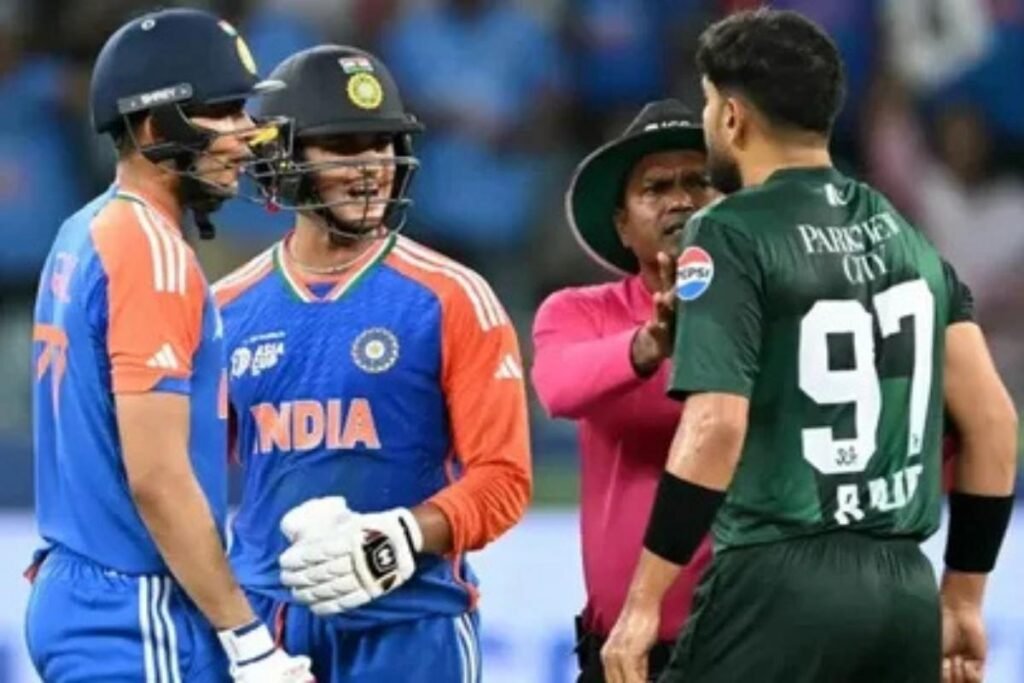
Did Pakistan boycott the World Cup? The answer is nuanced. Pakistan did not withdraw from the entire tournament, but chose not to play the match against India. This partial boycott has stirred debate, raising questions about points, rankings, and possible penalties, but it does not cancel Pakistan’s participation in the rest of the event.
Did Pakistan Forfeit Only the India Match? The Full Story Explained
Ahead of the scheduled clash with India, Pakistan confirmed that its team would forfeit this single match. The decision was officially communicated by the team authorities and aligns with a long-standing pattern where political and safety concerns influence sporting events. The rest of Pakistan’s matches in the tournament remain unchanged.
This approach allows Pakistan to participate in the World Cup while making a symbolic statement. The team continues competing normally in other matches, ensuring that the tournament can proceed without major disruption.
What Happens When Pakistan Skips a Match? Points, Penalties, and Rules
Forfeit rules
According to tournament regulations, a team that fails to appear for a scheduled match automatically loses, and the opposing team is awarded full points. In this case, India receives two points, while Pakistan loses two points and sees its net run rate affected. These technical consequences can influence group standings and qualification scenarios.
Potential penalties
Tournament organizers have warned that such actions may have legal and financial consequences. Sponsors and broadcasters could pursue compensation, and tournament authorities may impose fines. The team authorities have not sent formal notifications to the board regarding the boycott, creating additional complexity.
Historical context
Selective match boycotts are rare but not unprecedented. In past tournaments, teams have forfeited individual games due to disputes or safety concerns, but complete withdrawal from a World Cup is almost unheard of. This highlights the symbolic nature of Pakistan’s action.
How Pakistan’s Partial Boycott Impacts the World Cup Standings
Pakistan’s partial boycott:
Does not cancel the tournament
Ensures India gains full points from the forfeit
Impacts Pakistan’s chances of advancing if net run rate is crucial
Signals to organizers and fans the intersection of politics, safety, and sport
By understanding this distinction, fans and analysts can see that the action is both strategic and limited, rather than a full withdrawal.
For readers interested in the previous India-Pakistan controversies, see our detailed article here → [Why Did Pakistan Boycott India’s Match?]
And for India’s perspective on not playing in Pakistan → [Why Is India Refusing to Play in Pakistan?]
Did Pakistan Really Boycott the World Cup? Fans and Experts React: Pakistan’s Forfeit Against India
Public opinion is divided. Supporters understand the safety and political rationale, while others focus on the competitive disadvantage and potential penalties. Analysts and former players note that such decisions are now driven by administration and government policy, rather than individual player preference. Discussions online reflect concern over points, rankings, and the integrity of the tournament.
Pakistan did not boycott the entire World Cup. The team only forfeited the match against India, which carries points and ranking consequences. The rest of the tournament continues as planned. This measured approach balances symbolic protest, safety considerations, and participation, demonstrating how cricket decisions are increasingly intertwined with politics and logistics.
FAQ
Why did political tensions influence Pakistan’s decision?
Political and diplomatic tensions between the two countries have historically affected sporting events. The boycott of the India match reflects broader safety and political concerns rather than a purely sporting choice.
Is this boycott related to past conflicts between the countries?
Yes, previous incidents and unresolved disputes have created a cautious environment. Cricket matches between India and Pakistan often carry political symbolism beyond the sport itself.
Will Pakistan play India in the future?
Matches are expected to resume in neutral venues until political and safety concerns allow otherwise.
Could politics affect future cricket tournaments?
Potentially. Decisions like selective boycotts signal that cricket authorities must consider both political relations and safety when scheduling matches, especially for high profile India-Pakistan fixtures.