
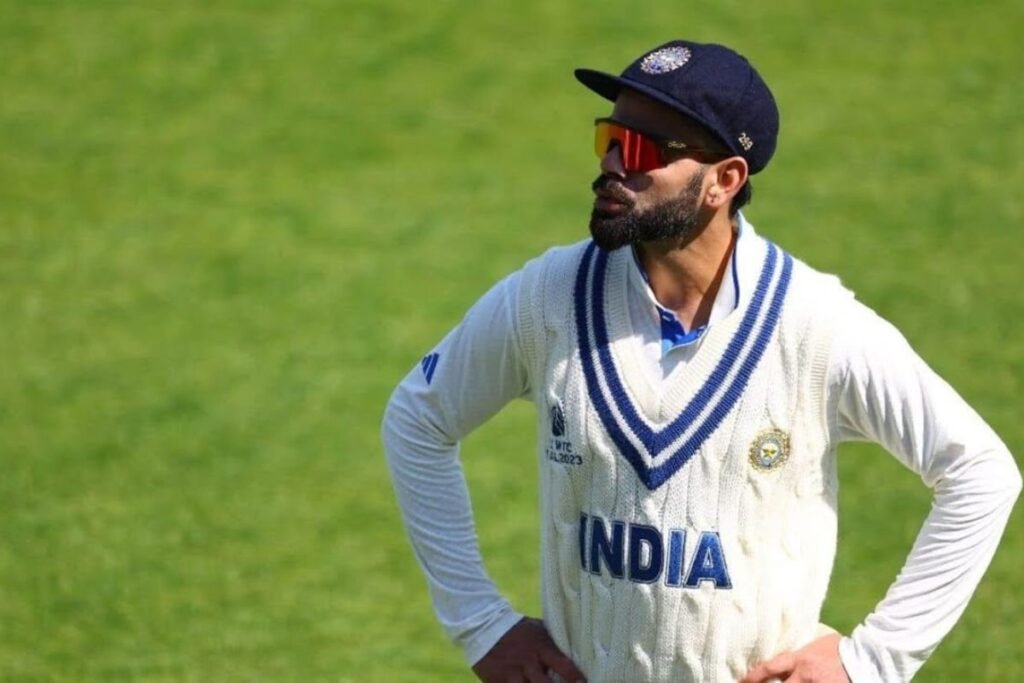
Virat Kohli has scored over 27,000 international runs and dominated bowling attacks across five continents for fifteen years. Yet every elite bowling coach targets the same spot. What is Kohli’s weakness and why does it keep resurfacing even at the peak of his career?
Why Kohli Struggles with Balls Outside Off Stump The Hidden Weakness Exposed
The weakness centers on deliveries outside the off stump, especially in Test cricket. Kohli’s batting style is built on aggressive front foot play and elite hand eye coordination. On flat pitches, these assets are devastating. But that same attacking instinct sometimes pushes him to chase balls he could safely leave.
As his career progressed, bowlers identified this pattern. They began setting traps with fuller lengths and late movement. Dismissals in the corridor outside off stump became more frequent particularly in swinging conditions.
The same explosive intent that produces the longest six by Virat Kohli, clearing the boundary with brutal timing through the off side, is precisely what bowlers try to turn against him.
What Happens in the 3 Balls Before Kohli Gets Out
Modern bowling attacks don’t wait for mistakes. They build them. Against Kohli, the blueprint is consistent:
- Early outswing to widen his focus and create doubt about the line
- Late seam movement to invite the drive at the wrong moment
- Packed slip cordon to amplify the psychological cost of any edge
Even IPL stats reflect this pattern: in pressure phases of close games, Kohli’s scoring rate outside off stump drops measurably compared to his overall average. The method works not because Kohli lacks skill but because his most productive scoring zones sit in that exact channel.
Why the Best Bowlers in the World Stop Trying to Take Kohli's Wicket
Kohli thrives on early rhythm. His batting relies on positive contact and timing to establish control from the first ball. Bowling attacks have evolved to attack this directly not by targeting his stumps, but by removing his release shots entirely.
In Test series in Australia and England, bowlers maintain a disciplined line outside off stump, avoid width completely, and compress his scoring areas. This forces him into a defensive, risk managed approach that runs against his natural instincts. In swinging or bouncy conditions, the strategy becomes even more suffocating.
The Bowler Kohli Admitted He Could Never Fully Read
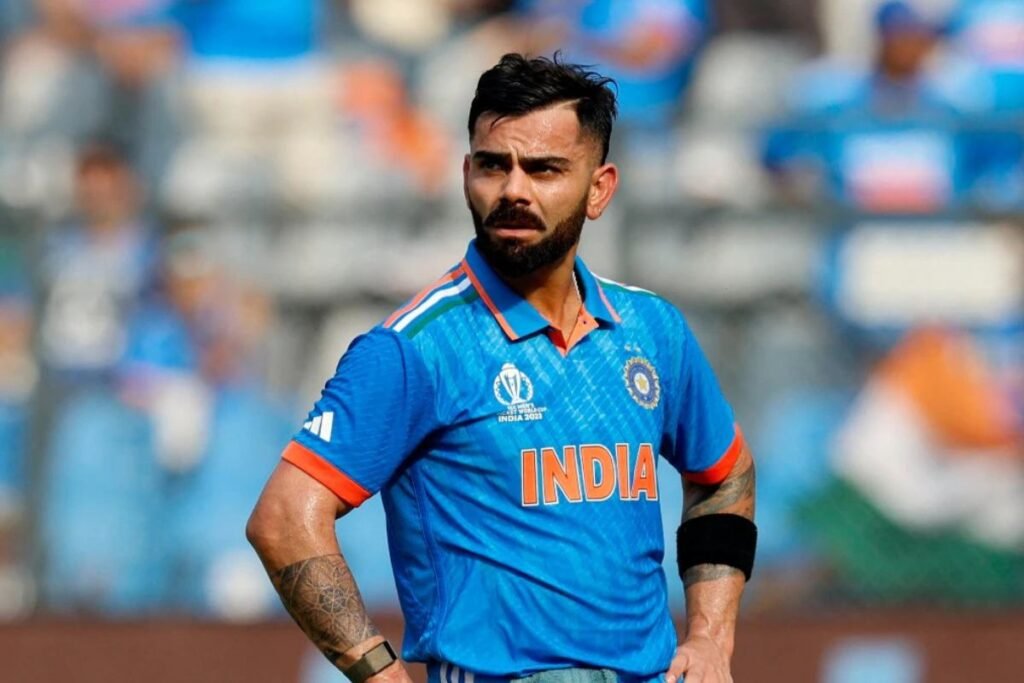
Kohli has spoken publicly about the bowlers who have tested him most. His answers vary by format which tells you something important about the nature of his challenges.
Test cricket James Anderson
Anderson’s swing and seam movement in English conditions make him, in Kohli’s own words, the most difficult bowler he has ever faced in the longest format.
T20 cricket Sunil Narine
Narine’s variations and deceptive release are consistently hard to read. Even while tracking IPL standings and chasing titles with RCB, Kohli’s battles against Narine have often shaped entire match outcomes.
ODI cricket Malinga and Adil Rashid
Malinga’s unorthodox angles and Rashid’s wrist spin have presented different but persistent challenges across the fifty over format.
What Kohli Did Between 2014 and 2019 That No One Talks About
- 2014 England tour Anderson exposed the corridor repeatedly. The weakness was fully visible at the highest level.
- 2016–2019 Improved leave discipline and shot selection dramatically reduced dismissals outside off stump. Peak control in both England and Australia.
- 2020–2023 Reduced red ball exposure and rhythm disruptions brought the issue back into focus.
- 2024–present Renewed technical recalibration. Heading into 2026, with RCB considered the most dangerous IPL team in 2026 on current form, the pressure on Kohli to lead from the front is as high as ever and his response has been characteristic.
This is an adaptation cycle, not a permanent decline.
Why Having This Weakness Makes Kohli More Dangerous, Not Less
Kohli’s weakness is not a single technical flaw. It is the intersection of aggressive batting intent, elite bowling strategy, and demanding conditions a combination no batter can fully eliminate.
Great players are not defined by the absence of weaknesses. They are defined by how intelligently they manage them across eras. Kohli’s career marked by self awareness, technical refinement, and constant recalibration is the clearest evidence of that.
Has Kohli fully solved this problem, or will it always be his Achilles heel? Drop your take in the comments.
FAQs: YOU KNOW
What is Virat Kohli’s main weakness as a batsman?
Virat Kohli’s main weakness appears against deliveries outside the off stump, especially in swinging conditions. Bowlers exploit his natural attacking instinct by drawing him into risky drives.
Does Kohli’s weakness affect all formats of cricket?
No, the impact varies by format. The weakness is more visible in Test cricket, where patience matters more, while in ODIs and T20s it rarely limits his effectiveness.
Have bowlers deliberately targeted this weakness?
Yes, top bowlers consistently design plans around this area. They use late movement, disciplined lengths, and packed slip fields to pressure Kohli into mistakes.
Has Kohli tried to fix this weakness?
Kohli has actively worked on it throughout his career. During his peak years, improved shot selection and stronger leave judgment reduced dismissals outside off stump.
Does this weakness diminish Kohli’s legacy?
Not at all. Every great batter has vulnerabilities, and Kohli’s ability to adapt and dominate across formats outweighs any single technical challenge