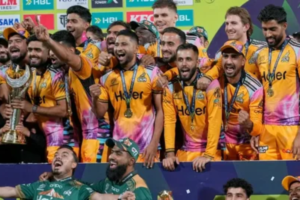
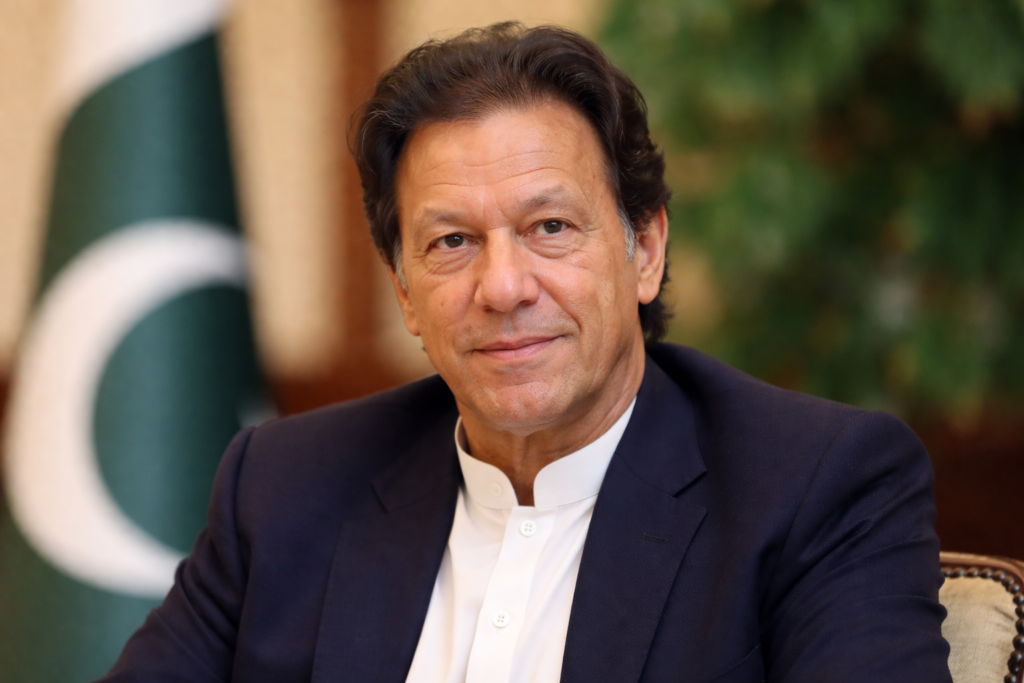
Imran Khan from sporting glory to political leadership in Pakistan was not immediately embraced when he entered politics. A former world cricket champion, educated at Oxford, internationally recognized, and far from Pakistan’s traditional political clans, Khan initially appeared as an outsider in a system dominated by family dynasties, opaque compromises, and a culture deeply rooted in corruption. Yet this distance from the system became the foundation of his political legitimacy, as interviews reveal: politics for Khan was never a choice for power but the inevitable result of frustration with a state failing its people.
Imran Khan Political Career: From Cricket Legend to Leader
Khan often recounts how traveling the world during his cricket career allowed him to observe modern democracies closely. Compared to Pakistan, the contrast was stark. He believed the country’s main problem was never a lack of resources or talent but the absence of honest, accountable leadership. In multiple interviews, he stresses that a nation cannot progress if leaders treat the state as a personal resource. This conviction became the ideological pillar of his political career.
Imran Khan’s Entry into Pakistan Politics
One recurring theme in Khan’s interviews is corruption, described not as a minor problem but as a structural disease. Corruption erodes citizen trust, reduces tax compliance, and destabilizes institutions. Khan’s consistent messaging built his image as a leader morally distinct from Pakistan’s political elite, making the fight against corruption a central public debate.
Imran Khan and Anti Corruption Campaign in Pakistan Politics
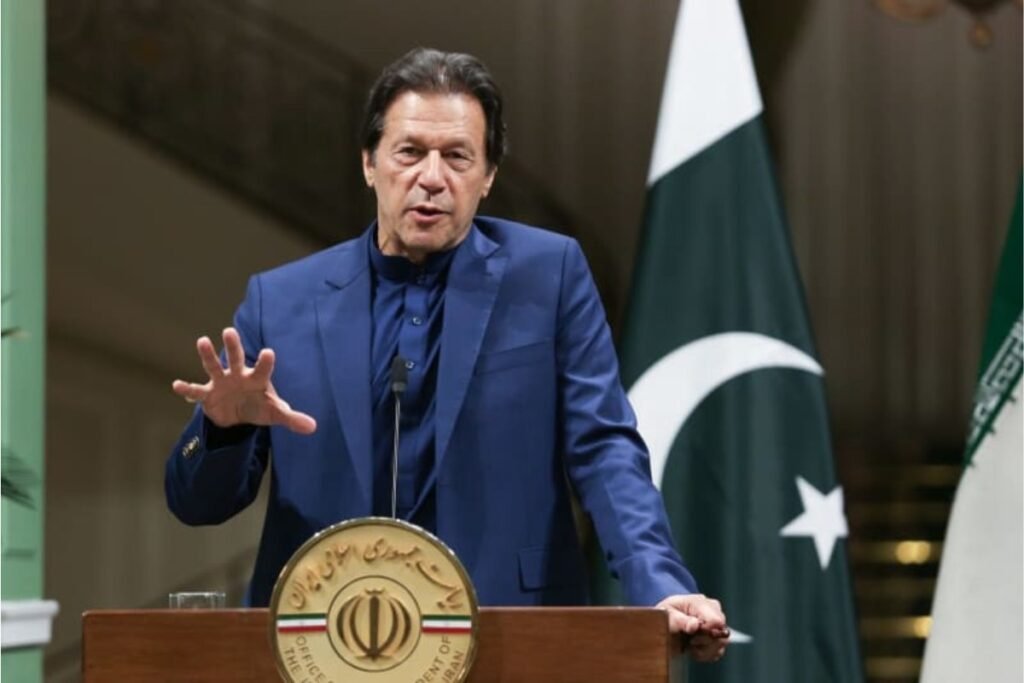
Khan’s electoral victory as Prime Minister marked the first time a non dynastic leader reached the top of Pakistan’s political system. In interviews, he spoke realistically about inherited economic difficulties, fragile institutions, and internal resistance. He emphasized structural reforms, rebuilding trust in the state, and the creation of a welfare oriented governance model inspired by the principles of the State of Medina.
Imran Khan as Prime Minister: Governance Challenges and Reforms
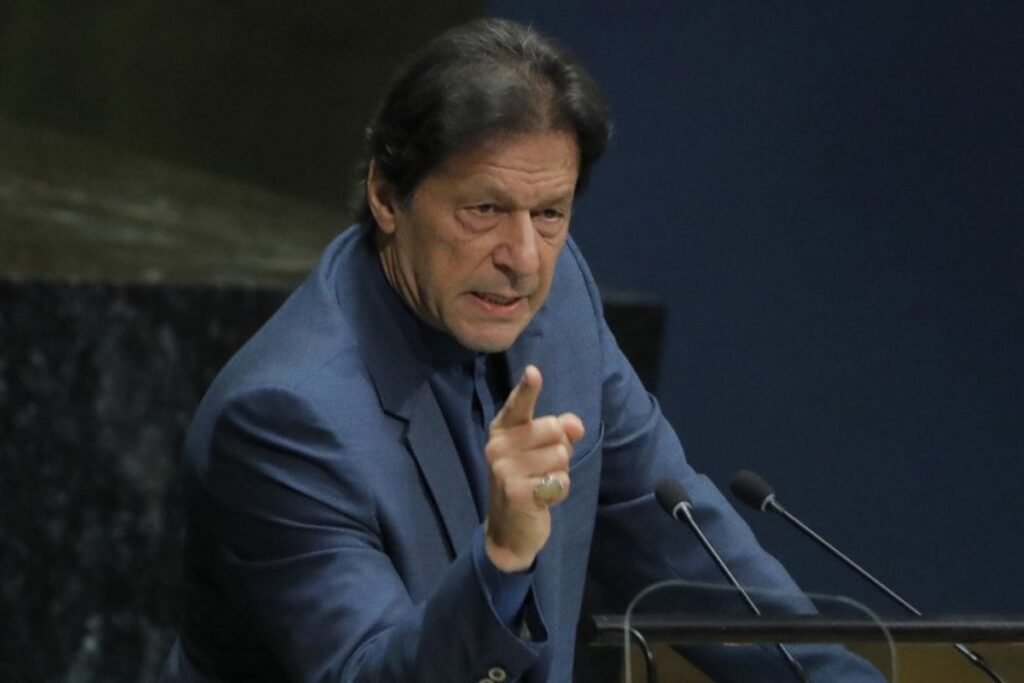
Khan’s tenure was also defined by a strong stance on strategic independence. He criticized Pakistan’s involvement in conflicts that did not serve national interests, emphasizing internal stability and dialogue between global powers. This approach strengthened his image as an independent leader but created tensions domestically and internationally, illustrating the complexity of his governance.
Imran Khan Political Crisis and Removal from Power
Following his removal, Khan spoke openly about systemic interference and institutional pressures, reinforcing his image as a principled outsider challenging entrenched power structures. His persistence demonstrated the same determination that made him a cricket champion: vision, discipline, and courage to defy the impossible.
Imran Khan Legacy in Pakistan Politics and Youth Movement
Imran Khan political career represents one of the most unique transitions in Pakistan history. He reshaped Pakistani politics by emphasizing accountability, transparency, and sovereignty. In addition, he mobilized a new generation of politically active citizens, showing that an outsider can challenge a long-established political system. His journey also reflects his sporting background, built on strategic thinking, leadership, and resilience under pressure.
FAQ
Why did Imran Khan enter politics?
Imran Khan entered politics to fight corruption, strengthen institutions and reform Pakistan’s governance system.
What is Imran Khan’s political ideology?
His ideology focuses on anti-corruption, social justice, welfare policies and national sovereignty.
When did Imran Khan become Prime Minister of Pakistan?
He became Prime Minister in 2018 after winning the general elections with PTI.
What were Imran Khan’s main challenges as Prime Minister?
Economic instability, institutional resistance, political opposition and foreign policy pressures.
How did Imran Khan’s cricket career influence his political mindset?
His sports background shaped his discipline, resilience and long-term strategic thinking.